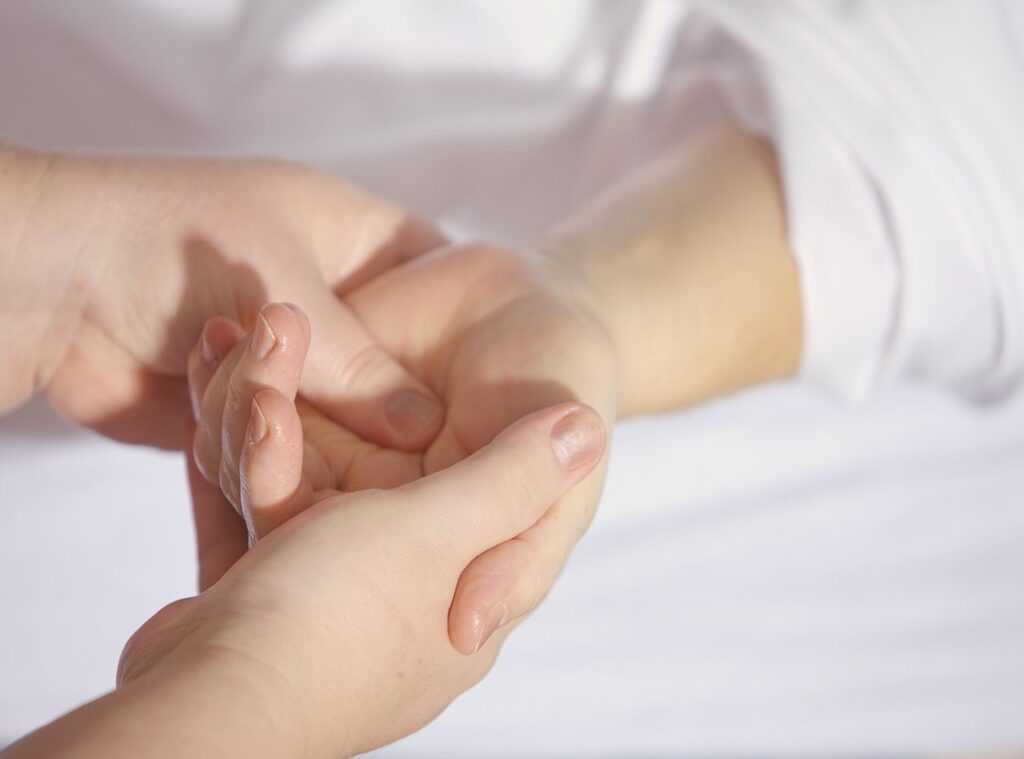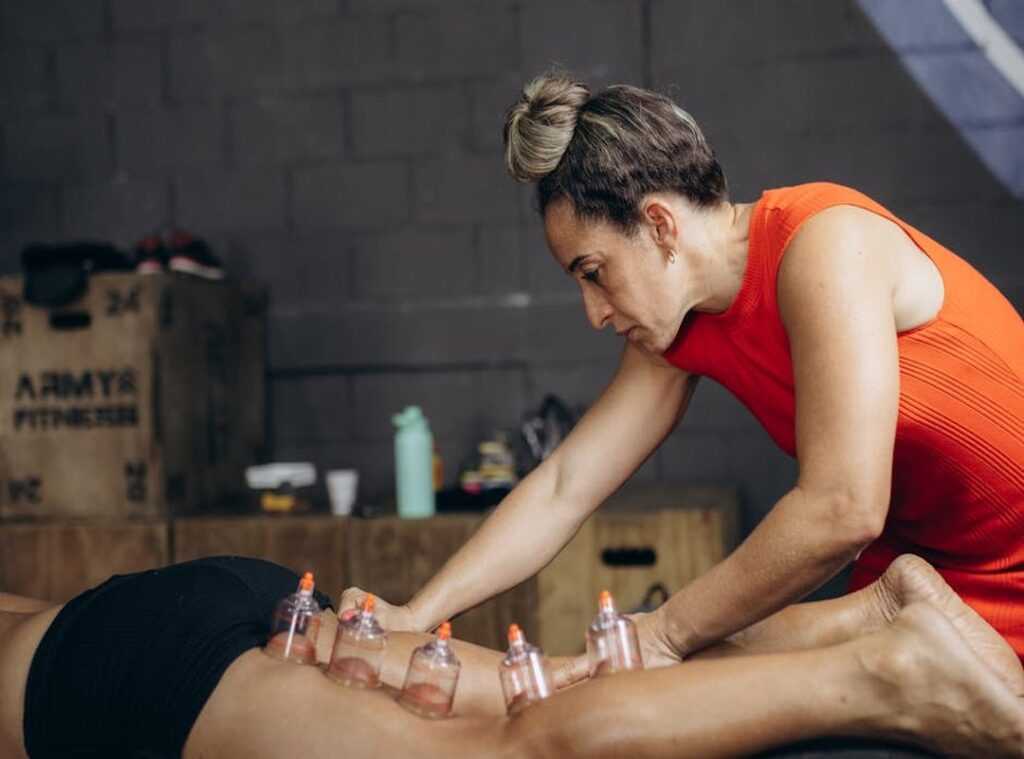

You have rested your injury, gone to all your follow-ups, taken your meds and eaten pretty healthy. But your body just isn’t recovering as quickly as you want.
One aspect that often gets neglected when trying to recover from an injury is stress.
This isn’t about short periods of stress that everyone experiences throughout life. This is about long term or chronic stress. There are many reasons why chronic stress can impede your body’s ability to recover, and they are covered below.
But there is good news! Stress is an aspect that you can influence and learn to manage when it comes to your recovery. There are many emotional regulation skills that can help you manage how you feel and they don’t only affect your mental health, it can impact your physical health as well.
Here’s how it breaks down.
What you’ll learn:
- Healing Is Expensive, and Stress Spends the Budget
- What Chronic Stress Does Inside the Body
- Signs Stress Is Slowing Your Recovery
- Emotional Regulation Skills That Support Healing
Healing Is Expensive, and Stress Spends the Budget
Your body goes through a lot when it comes to healing an injury. Your body must break down and eliminate dead tissue, defend against any bacteria, build new tissue, produce collagen and shape the tissue around your injury to function properly again.
All of these processes take a lot of resources from your body. They require increased blood flow, oxygen and immune cells.
When you experience stress in short intervals your body is able to handle it, and it won’t drastically affect your recovery. Short bursts of stress can even have some positive effects, such as temporarily boosting certain parts of your immune system. However, when you experience stress for long periods of time your body starts to struggle with the task at hand.
When stress drags on, your body keeps focusing on the situation at hand rather than on what it should be doing to recover. It stays in this state for extended periods of time, producing stress hormones, increasing tension in your muscles and draining resources from what it should be using to recover. All of these will contribute to your body not recovering at the rate it could if you weren’t stressed out.
This is why learning emotional regulation skills can play a big role in your recovery. Knowing how to regulate your emotions and understand what is causing you to feel a certain way can allow your body to recover at a quicker pace. Taking a mental health course can teach you these skills if you find it difficult to understand your emotions. This course was created to help those who experience high amounts of stress in their careers.
What Chronic Stress Does Inside the Body
Studies have shown that there are negative impacts on your body when you are experiencing long term stress.
In one study researchers had dental students receive a wound inside their mouth over the summer. Then they received another wound just before their exams. The results showed that it took 40% longer to heal their wound when they were stressed from exams. There was also a significant decrease of interleukin-1 in their blood, which helps signal the body to start the healing process.
As you can see, having the same wound and healing from it, can take longer if you are stressed out.
Some ways your body will react to long term stress include:
- Decreased immune cells traveling to your injury in the early stages of recovery.
- Reduced blood flow and oxygen to your injured area.
- Inflammation that doesn’t do its job properly and lingers for too long.
- Lack of quality sleep to allow your body to heal.
Patients have reported slower recovery times and increased pain from surgeries when they were more anxious about the procedure. It has also been shown that people under more long-term stress take longer to regain strength in their muscles after hard exercise.
Signs Stress Is Slowing Your Recovery
It can be difficult to know how stressed you are because people become accustomed to their daily lives and stress levels. Here are some signs to look for that may show you are under a lot of stress.
- Sleeping but not feeling well rested in the morning
- Feeling sore for longer periods of time
- Catching every illness that is going around
- Constantly thinking about your injury or worrying about getting injured again
- Becoming impatient with yourself or others
If you are noticing some of these symptoms it could be that your body is under a lot of stress and not allowing you to recover as quickly as you would like.
Emotional Regulation Skills That Support Healing
There are many skills that can help you when it comes to managing your emotions. These can also allow your body to recover faster from an injury.
Suppressing your emotions can cause you to become more stressed and hinder your recovery as well. Here are some skills you can practice to learn how to regulate your emotions.
- Label your emotion. When you are able to put a name to what you are feeling you can begin to process that emotion and learn what is causing it.
- Breathe out for longer than you breathe in. This allows your body to relax and can decrease your stress levels. Try practicing this for at least 2 minutes.
- Understand your window of tolerance. Know if you are under stimulated, over stimulated or within your window of tolerance. Being aware of where you are on the spectrum can allow you to work on regulating your emotions.
- Be mindful of your thoughts. If you are constantly thinking negative thoughts about your injury or healing you are more likely to stay stressed out. Write down these thoughts and challenge them with positive thoughts that you would tell a friend.
- Don’t avoid what is stressing you out. Avoiding your stress can cause you to become more anxious and hinder your recovery. Work on approaching what is stressing you out little by little.
- Socialize with others. When you are stressed out you tend to isolate yourself from others. Make an effort to spend time with those you enjoy being around.
These are some skills you can work on to learn how to manage your emotions. Managing your emotions can support your body’s healing and improve your mental health as well. None of this replaces medical care. It works alongside it.
Where This Leaves You
When recovering from an injury make sure to allow your body time to heal and take care of your mental health as well. Your body goes through a lot when trying to recover from an injury. If you find that you are not healing as fast as you should, assess if you are stressed out and work on some emotional regulation skills to help your body heal.
 There is a specific skill involved in explaining something clearly — one that is completely separate from actually knowing the subject. Peter R. has both. They has spent years working with fitness performance strategies in a hands-on capacity, and an equal amount of time figuring out how to translate that experience into writing that people with different backgrounds can actually absorb and use.
Peter tends to approach complex subjects — Fitness Performance Strategies, Wellness Wave, Targeted Recovery Techniques being good examples — by starting with what the reader already knows, then building outward from there rather than dropping them in the deep end. It sounds like a small thing. In practice it makes a significant difference in whether someone finishes the article or abandons it halfway through. They is also good at knowing when to stop — a surprisingly underrated skill. Some writers bury useful information under so many caveats and qualifications that the point disappears. Peter knows where the point is and gets there without too many detours.
The practical effect of all this is that people who read Peter's work tend to come away actually capable of doing something with it. Not just vaguely informed — actually capable. For a writer working in fitness performance strategies, that is probably the best possible outcome, and it's the standard Peter holds they's own work to.