We all want workouts that fit our hectic lives, right? But the idea of jumping into intense fitness trends can feel daunting. That’s why you’re here, searching for a way to start with confidence.
This HIIT beginner guide breaks down the barriers. It’s crafted to demystify High-Intensity Interval Training, making it accessible and safe.
You might wonder if this is legit. Trust me, this guide pulls from well-rounded fitness strategies, focusing on safety and performance. By the end, you’ll have a sample workout and a clear plan to seamlessly integrate HIIT into your routine.
Ready to transform your fitness journey? Let’s go.
What Exactly is HIIT and Why is it So Effective?
Ever tried sprinting flat-out for a minute? Then you’ll get HIIT. High-Intensity Interval Training, or HIIT, is all about short, solid bursts of effort followed by brief rest or recovery.
It’s like the difference between a sprint and a jog. You’re on, then off, then on again. This cycle keeps your heart working.
But why does it matter?
Compare it to low-intensity steady-state (LISS) cardio. LISS is that long, steady treadmill walk people often do. HIIT, though, is its rebellious cousin.
It delivers results fast. A HIIT beginner guide will tell you that even sessions as short as 15-20 minutes can bring serious cardiovascular benefits. Imagine getting more out of 15 minutes than an hour-long walk.
Wild, right?
But the perks don’t stop there. HIIT also triggers the “afterburn effect” (EPOC), where your body keeps burning calories long after you stop working out. It’s like having a little engine inside you running on autopilot, continuing to torch calories while you’re chilling.
Then there’s the convenience factor. No gym? No problem.
You can do HIIT anywhere with minimal to no equipment. Jumping jacks in the living room. Burpees in the park.
HIIT is about making fitness accessible, not a hassle.
And if you’re looking to boost performance further, consider nutritional tips boost athletic performance. Fuel matters when pushing your limits.
In short, HIIT is the no-nonsense, time-saving workout we all need. It’s fast, effective, and empowering. Give it a shot.
Your future self will thank you.
Is HIIT the Right Move? Your Beginner’s Reality Check
So, you’re eyeing HIIT. Maybe you’ve heard it’s the holy grail of workouts. But you’re asking, “Am I fit enough to start?” Well, let’s squash that fear.
HIIT is as flexible as a playlist (you know, personal). “High intensity” can mean different things for different people. Whether you’re a gym newbie or have some miles under your belt, HIIT can fit you.
Ask yourself this: Can you walk briskly for 20-30 minutes without feeling like you need an oxygen tank? That’s a good start. Now, if you have any joint issues or health conditions, don’t ignore them.
Safety first, folks. Always check with a doctor before jumping into something intense. It’s not just a disclaimer; it’s survival 101.
Listening to your body isn’t just a nice idea. It’s the whole plan. Feel like you’re pushing too hard?
Dial it back. March instead of doing high knees if you need to. Swap squat jumps for regular squats.
It’s not about keeping up with the person next to you; it’s about doing what’s right for your body.
For a deeper dive, check out this beginners hiit workout a simple guide. It’s packed with tips that’ll get you started without feeling overwhelmed.
Remember, HIIT isn’t about punishing yourself. It’s about finding a routine that works. You want to stick with fitness?
Make it fun and doable. Who knows? You might even look forward to the next session.
Pro tip: Focus on small wins. They add up.
Your First HIIT Workout: Step-by-Step Guide
Getting started with HIIT (High-Intensity Interval Training) is a game-changer. But before you dive in, you’re wondering, do I really need to warm up? Yes, absolutely.
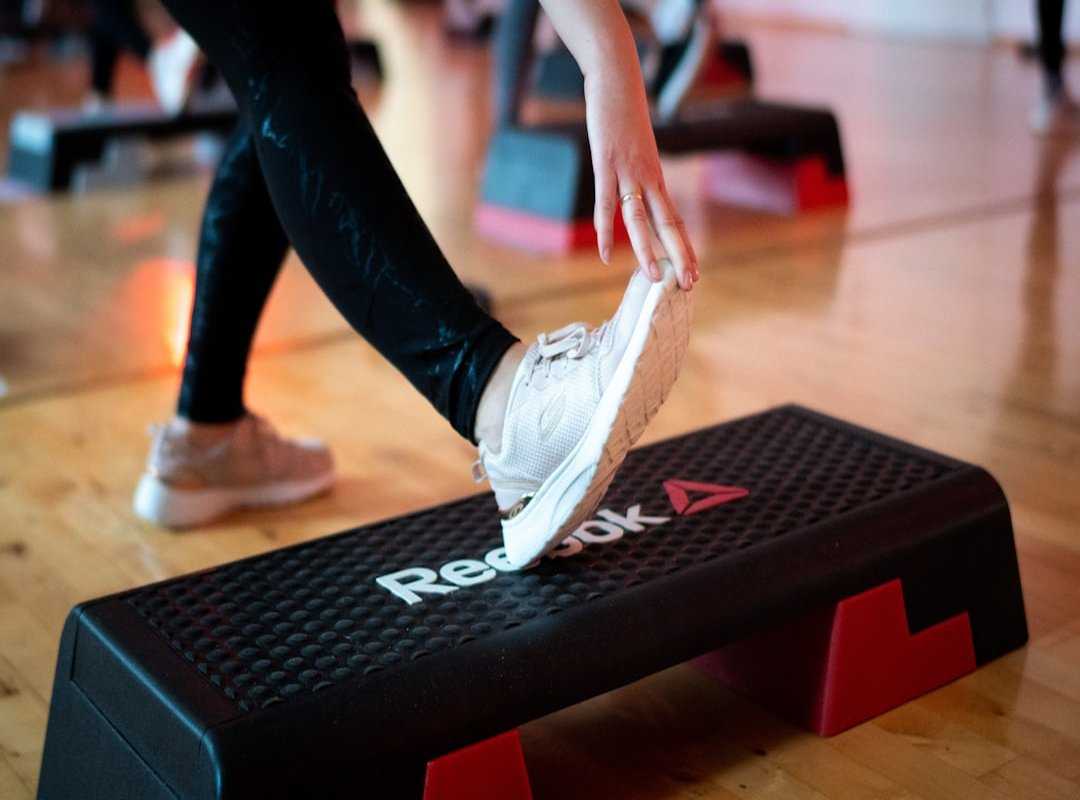
Warming up is important to avoid injuries. Start with a simple routine: arm circles, leg swings, torso twists, and light jogging in place. Spend about three to five minutes on this.
It might seem like a chore, but trust me, your future self will thank you.
Work-to-rest ratios can seem confusing. Here’s the deal: it’s all about balancing effort and recovery. A beginner-friendly approach is the 1:2 ratio.
That means 20 seconds of all-out effort followed by 40 seconds of rest. Alternatively, try a 1:1 ratio with 30 seconds of work and 30 seconds of rest. It’s straightforward and keeps you from burning out too quickly.
Keeping it simple helps.
Now let’s get into the meat of it: a 10-minute beginner bodyweight HIIT circuit. This is where things get real. We start with marching in place.
Stand tall, lift your knees high, and pump your arms. Next, bodyweight squats. Feet shoulder-width apart, bend your knees, and push your hips back.
Modified push-ups come next. Knees on the ground, hands shoulder-width, lower your chest until it’s close to the floor. Then glute bridges.
Lie on your back, feet flat, and lift your hips. Finally, the plank. Hold your body in a straight line on forearms and toes.
Perform each exercise for 30 seconds, rest for 30 seconds, and complete two rounds. It’s as simple as that.
Finally, the cool-down. You might think it’s unnecessary, but it’s key for recovery. Help your heart rate return to normal with some static stretches.
Focus on quads, hamstrings, and chest. This phase is like hitting the reset button, preparing you for the next workout. And speaking of preparation, setting the right goals is key.
I found setting achievable fitness goals success helps keep me on track. Check it out and see how it can guide your journey.
So there you have it. Your first HIIT session isn’t just about sweat. It’s about discovering what your body can do and setting a strong foundation for future workouts.
You’re not just exercising; you’re building a better you.
Beyond the Workout: Fuel and Recovery
Let’s talk fuel. You know how people preach about pre-workout nutrition? It’s not just talk.
Grabbing a small, easily digestible snack with carbohydrates 30-60 minutes before your workout can light that fire you need. And don’t underestimate hydration. Keep sipping water throughout the day, not just when you’re thirsty.
It’s not rocket science, but it’s what keeps your engine running smoothly.
Recovery, though, is where the magic happens. Ever feel like you’re hitting a wall with your HIIT sessions? Here’s a secret (not really): muscle repair and growth occur during rest.
So, if you’re diving into the HIIT beginner guide, don’t go all out every day. Stick to 2-3 non-consecutive days per week. Your muscles will thank you.
Trust me.
Now, let’s chat about what you do on those off days. Quality sleep isn’t just for beauty; it’s for gains. And no, sitting on the couch binge-watching doesn’t count as recovery.
Get moving with some active recovery. A gentle walk or some stretching should do the trick. Keeps things fresh and your body primed for your next workout.
There’s no shortcut, but there’s a smart way.
Jump Into Your HIIT Adventure Now
You’ve got this. Your goal of tackling HIIT safely as a beginner is more than met. Remember feeling unsure where to start?
That’s history. You’ve learned the importance of a structured, flexible approach. Listen to your body, and safety will follow.
Now, it’s action time. Are you ready to shatter the intimidation? Commit to a 10-minute workout this week.
It’s not just a step, it’s the leap you need.
With the HIIT beginner guide, you’re set for success. So go on, schedule that first session and embrace the change. Your potential is waiting.
 Lisalmilba Marquez has opinions about daily exercise hacks. Informed ones, backed by real experience — but opinions nonetheless, and they doesn't try to disguise them as neutral observation. They thinks a lot of what gets written about Daily Exercise Hacks, Fitness Performance Strategies, Holistic Health Foundations is either too cautious to be useful or too confident to be credible, and they's work tends to sit deliberately in the space between those two failure modes.
Reading Lisalmilba's pieces, you get the sense of someone who has thought about this stuff seriously and arrived at actual conclusions — not just collected a range of perspectives and declined to pick one. That can be uncomfortable when they lands on something you disagree with. It's also why the writing is worth engaging with. Lisalmilba isn't interested in telling people what they want to hear. They is interested in telling them what they actually thinks, with enough reasoning behind it that you can push back if you want to. That kind of intellectual honesty is rarer than it should be.
What Lisalmilba is best at is the moment when a familiar topic reveals something unexpected — when the conventional wisdom turns out to be slightly off, or when a small shift in framing changes everything. They finds those moments consistently, which is why they's work tends to generate real discussion rather than just passive agreement.
Lisalmilba Marquez has opinions about daily exercise hacks. Informed ones, backed by real experience — but opinions nonetheless, and they doesn't try to disguise them as neutral observation. They thinks a lot of what gets written about Daily Exercise Hacks, Fitness Performance Strategies, Holistic Health Foundations is either too cautious to be useful or too confident to be credible, and they's work tends to sit deliberately in the space between those two failure modes.
Reading Lisalmilba's pieces, you get the sense of someone who has thought about this stuff seriously and arrived at actual conclusions — not just collected a range of perspectives and declined to pick one. That can be uncomfortable when they lands on something you disagree with. It's also why the writing is worth engaging with. Lisalmilba isn't interested in telling people what they want to hear. They is interested in telling them what they actually thinks, with enough reasoning behind it that you can push back if you want to. That kind of intellectual honesty is rarer than it should be.
What Lisalmilba is best at is the moment when a familiar topic reveals something unexpected — when the conventional wisdom turns out to be slightly off, or when a small shift in framing changes everything. They finds those moments consistently, which is why they's work tends to generate real discussion rather than just passive agreement.