If you’re searching for clear, science-backed guidance on improving your digestion, energy, and overall wellness, understanding gut health basics is the right place to start. Your gut does far more than process food—it influences immunity, mental clarity, recovery, and even athletic performance. Yet with so much conflicting advice online, it’s hard to know what actually works.
This article breaks down the core principles of gut health in a practical, easy-to-apply way. You’ll learn what truly supports a balanced microbiome, which daily habits strengthen digestion, and what common mistakes may be undermining your progress.
Our insights are grounded in current nutritional science, peer-reviewed research, and expert consensus from gastroenterology and performance health specialists. The goal isn’t hype—it’s clarity. By the end, you’ll have a straightforward framework you can use immediately to support better digestion, stronger immunity, and more consistent energy every day.
Your gut isn’t just a digestion machine—it’s the control center for energy, mood, immunity, and performance. When it’s off, everything feels off (yes, even your workouts). Online advice swings between miracle probiotics and extreme cleanses, leaving most people confused.
Here’s the no-nonsense truth: master the gut health basics and you upgrade your whole system.
Focus on what others ignore:
- Microbiome diversity—different fibers feed different bacteria.
- Stress regulation—cortisol disrupts digestion.
- Recovery timing—sleep repairs the gut lining.
Many argue supplements solve everything. They help, but without habits aligned, results stall. Optimize inputs, track outputs, and treat gut like hardware.
Decoding Your Microbiome: The Trillions of Allies Within
Your gut microbiome is the vast community of bacteria, viruses, and fungi living inside your digestive tract. Think of it as a bustling city where trillions of microscopic residents work around the clock to keep you running. Some help break down food, others produce vitamins, and many train your immune system.
To understand good versus bad bacteria, picture a garden. Beneficial microbes are like strong plants that enrich the soil and crowd out weeds. Harmful microbes are the weeds themselves, waiting for poor conditions to spread. When balance tips too far either way, you might notice bloating, fatigue, or frequent illness.
This is why diversity matters. A varied ecosystem performs more jobs, from improving nutrient absorption to strengthening immune defense. Research shows that higher microbial diversity is linked to better metabolic and inflammatory health (NIH). In contrast, low diversity has been associated with conditions like obesity and inflammatory bowel disease (Nature).
So, how can you support it? Start with fiber-rich foods, fermented options like yogurt or kimchi, regular movement, and stress management—foundational gut health basics that create the right environment for beneficial microbes. Pro tip: rotate plant foods weekly to boost variety.
The Gut-Brain Connection: How Your Stomach Dictates Your Mood and Focus

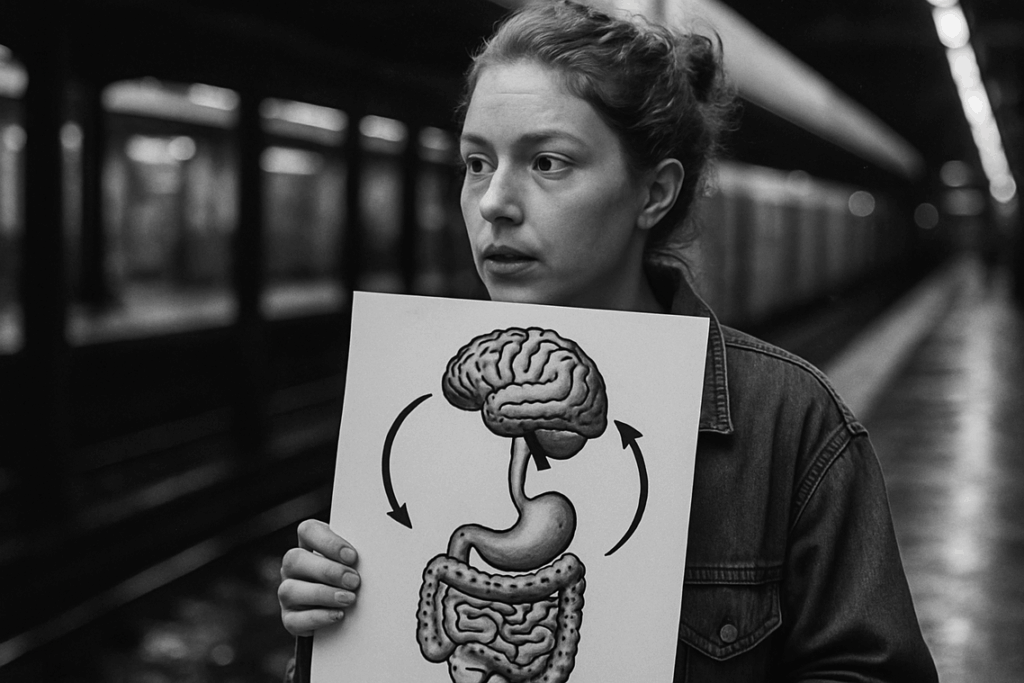
The gut-brain axis is the body’s built-in communication highway, linking your digestive tract and your brain through nerves, hormones, and biochemical signals. In simple terms, it’s a two-way street: your brain influences digestion, and your gut talks right back. I used to think mood was all mindset—until I learned how deeply the stomach calls the shots.
First, consider mood. Your gut microbes (the trillions of bacteria living in your intestines) help produce neurotransmitters—chemical messengers—like serotonin and dopamine. In fact, about 90% of serotonin is produced in the gut (NIH). That means happiness and motivation aren’t just “in your head.” They’re in your microbiome. And while some argue emotions are purely psychological, research suggests your internal ecosystem plays a measurable role (Harvard Health).
Second, cognitive performance. When gut inflammation rises, inflammatory compounds can affect the brain, contributing to brain fog and poor focus. On the other hand, solid gut health basics support clearer thinking and steadier energy.
So what matters most?
- Feed beneficial bacteria fiber-rich foods.
- Prioritize sleep and stress control.
- Explore balancing hormones naturally through lifestyle adjustments.
Admittedly, skeptics say diet can’t transform focus overnight. True—but consistently support your gut, and mental clarity often follows (sometimes surprisingly fast).
Your gut isn’t just a food processor; it’s more like a command center directing traffic across your body. When it falls out of balance, the warning lights aren’t always obvious.
Beyond bloating or gas, watch for red flags:
- Persistent acne or eczema
- Unexplained fatigue that sleep doesn’t fix
- Frequent sugar cravings
- Mood swings that feel disproportionate
Think of your microbiome—the trillions of bacteria living in your digestive tract—as a bustling city. When microbes are crowded out by disruptive ones, it’s like rush hour gridlock. Inflammation builds, signals get crossed, and systems far from the gut start misfiring.
That brain fog at 3 p.m.? It might be less about willpower and more about microbial imbalance. Craving sweets constantly? Your inner ecosystem could be lobbying for fuel.
Many people focus on gut health basics, but ignore these ripple effects. Could your symptoms be whispers from a stressed ecosystem?
A Practical Blueprint for a Thriving Gut
Let’s be honest: most “healthy eating” advice feels either overwhelming or flat-out unrealistic. You’re told to overhaul everything overnight, track every gram, and somehow enjoy it. No wonder so many people give up. The good news? Supporting your gut health basics doesn’t require a complete life reset.
First, prioritize fiber and plant diversity. Think of fiber as fuel for your beneficial gut bacteria—the microorganisms living in your digestive tract that help regulate immunity, digestion, and even mood. Different fibers feed different microbes, which is why “eating the rainbow” matters. Blueberries, spinach, sweet potatoes, lentils—each brings something unique. Start simple: add one new plant-based food per week. (Yes, even that mysterious vegetable you keep walking past at the store.)
Next, incorporate fermented foods. Probiotics—live beneficial bacteria—are found in yogurt with active cultures, kefir, kimchi, and sauerkraut. These foods can help reinforce your existing microbial community. Add kefir to smoothies or a forkful of sauerkraut to salads. Small, consistent amounts beat occasional large servings.
On the flip side, minimize gut disruptors. Ultra-processed foods, artificial sweeteners, and excess sugar may negatively alter microbial balance, according to research published in Nature Reviews Gastroenterology & Hepatology (2020). It’s frustrating how convenient these foods are—but your microbes pay the price.
Finally, hydrate mindfully. Water supports the mucosal lining of the intestines and promotes smooth bowel movements. Aim for steady intake throughout the day. Pro tip: keep a reusable bottle within arm’s reach—it’s the simplest habit upgrade you’ll ever make.
Building resilience starts in your gut. When you support it, you support everything—clearer thinking, steadier energy, stronger immunity. Many people feel overwhelmed by conflicting advice, yet the choice is simpler than it seems: chase extreme protocols, or commit to gut health basics practiced daily. The first promises quick fixes; the second builds lasting results.
Instead of overhauling your life overnight, focus on consistent meals rich in fiber, better sleep, and stress control. Small habits compound. So today, pick one manageable change and begin. Your future vitality grows from that single, steady step forward. Consistency beats intensity every single time, almost.
Take Control of Your Gut Health Today
You came here looking for clarity on how to improve digestion, boost energy, and finally feel balanced from the inside out. Now you understand how gut health basics impact everything from immunity and mood to performance and recovery.
The truth is, ignoring your gut often means continuing to struggle with bloating, fatigue, and inconsistent results in your wellness routine. But when you apply the right nutrition strategies, recovery habits, and daily movement techniques, your body starts working with you instead of against you.
Don’t let discomfort or low energy become your normal. Start implementing these gut-supporting habits today and make them part of your daily routine. If you want proven, science-backed wellness strategies trusted by thousands of health-focused readers, explore our expert resources now and take the first step toward a stronger, more resilient body. Your gut—and your overall performance—will thank you.
 Lisalmilba Marquez has opinions about daily exercise hacks. Informed ones, backed by real experience — but opinions nonetheless, and they doesn't try to disguise them as neutral observation. They thinks a lot of what gets written about Daily Exercise Hacks, Fitness Performance Strategies, Holistic Health Foundations is either too cautious to be useful or too confident to be credible, and they's work tends to sit deliberately in the space between those two failure modes.
Reading Lisalmilba's pieces, you get the sense of someone who has thought about this stuff seriously and arrived at actual conclusions — not just collected a range of perspectives and declined to pick one. That can be uncomfortable when they lands on something you disagree with. It's also why the writing is worth engaging with. Lisalmilba isn't interested in telling people what they want to hear. They is interested in telling them what they actually thinks, with enough reasoning behind it that you can push back if you want to. That kind of intellectual honesty is rarer than it should be.
What Lisalmilba is best at is the moment when a familiar topic reveals something unexpected — when the conventional wisdom turns out to be slightly off, or when a small shift in framing changes everything. They finds those moments consistently, which is why they's work tends to generate real discussion rather than just passive agreement.
Lisalmilba Marquez has opinions about daily exercise hacks. Informed ones, backed by real experience — but opinions nonetheless, and they doesn't try to disguise them as neutral observation. They thinks a lot of what gets written about Daily Exercise Hacks, Fitness Performance Strategies, Holistic Health Foundations is either too cautious to be useful or too confident to be credible, and they's work tends to sit deliberately in the space between those two failure modes.
Reading Lisalmilba's pieces, you get the sense of someone who has thought about this stuff seriously and arrived at actual conclusions — not just collected a range of perspectives and declined to pick one. That can be uncomfortable when they lands on something you disagree with. It's also why the writing is worth engaging with. Lisalmilba isn't interested in telling people what they want to hear. They is interested in telling them what they actually thinks, with enough reasoning behind it that you can push back if you want to. That kind of intellectual honesty is rarer than it should be.
What Lisalmilba is best at is the moment when a familiar topic reveals something unexpected — when the conventional wisdom turns out to be slightly off, or when a small shift in framing changes everything. They finds those moments consistently, which is why they's work tends to generate real discussion rather than just passive agreement.