
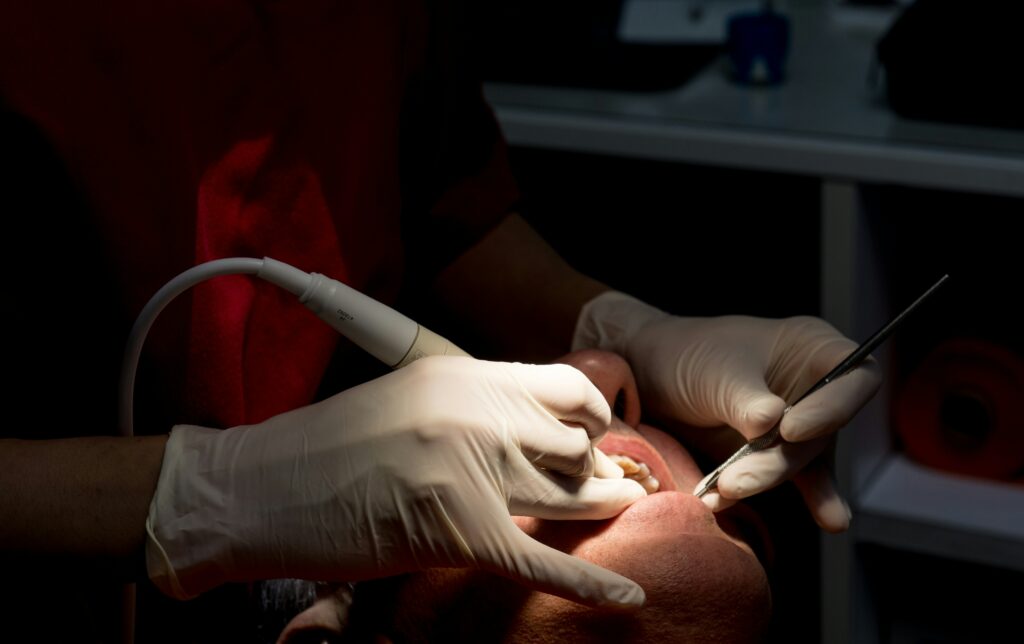
Looking at a patient with a beautiful new smile, it seems like a simple, straightforward job. Of course, the cost tells a different story.
If it were just one tooth that needed repairing, it’s likely to be cheaper. However, if you want to transform multiple or all of your teeth with whitening, veneers, crowns, etc., this can quickly add up – particularly when it is solely for cosmetic reasons and unlikely to be covered by insurance.
This is where many people turn to the promise of cheap cosmetic dental work abroad. Of course, a cheap quote doesn’t equate to a cheap smile makeover.
Here’s what you’ll want to consider:
- Why cost matters so much
- Why Mexico may be a good fit for you
- Components of a smile makeover
- How to determine overall savings
- Hidden costs of a smile makeover abroad
- Considering if it’s financially viable for you
Why cost matters so much
Cost is often one of the first considerations when looking for dental treatment abroad. Unfortunately, insurance coverage will not always bridge that gap – for instance, if the procedure is purely cosmetic (i.e., whitening, veneers), or even when having a crown fitted if it’s not to restore or protect a tooth.
Insurance can also have a large deductible and/or annual cap on reimbursements, resulting in substantial patient responsibility.
According to a June 2026 CareQuest Institute for Oral Health report, among respondents who had received dental care abroad, 58% cited costs as their main reason. While this encompasses dental care broadly (not limited to cosmetic), it highlights why patients are drawn to seek treatment in other countries when cost is high at home.
Cost is likely to drive a decision to seek more comprehensive treatment abroad.
Why Mexico may be a good fit for you
As Mexico borders the US, patients have the opportunity to drive to/from their appointment (if close by) or fly there, depending on where they reside. There are many procedures to consider when seeking cosmetic dentistry in Mexico, including veneers, crowns, whitening, and more. As with all smile makeover treatments, you should discuss this with your provider to identify the best options for your individual case.
Another factor to consider when identifying a preferred country is if you or your family speak the language or have roots/familiarity in that region, making the process and dialogue more seamless. Additionally, you may be able to accommodate additional visits to the same area, as required.
Regardless of destination, ensure that the clinician is identified, you will have an opportunity for consultation, and you allow adequate time for treatment and examination. Proximity to home is beneficial, but equally important is ensuring you are receiving appropriate care.
Components of a smile makeover
Your smile makeover may consist of various dental treatment components to achieve your desired aesthetic result.
Dental whitening may suffice if your aim is simply to brighten your existing natural tooth color, but it will not affect the hue of existing crowns, veneers, and/or fillings. If applicable, these would need to be addressed in your treatment plan to ensure color harmony.
Porcelain/composite veneers are an overlay to the facial aspect of the tooth and can mask/enhance color and form. Enamel removal can vary by veneer type and isn’t reversible. Alternatively, a crown can restore a tooth (covering the majority of it) and be a more suitable option, particularly if the tooth requires functional repair in addition to being cosmetically altered.
Keep this in mind when reviewing costs, as a crown and a veneer may not be interchangeable for the same indication or vice versa, nor does one have to be chosen to correct a minor cosmetic defect.
Existing caries/periodontal concerns should be identified and managed prior to commencing placement of cosmetic dental restorations, and your bite and grinding should be considered. Your treatment plan (and therefore cost) may expand as a result.
Ensure that you understand what treatment will be completed on which teeth and the reasoning behind this. It would not be prudent to proceed with cosmetic work on remaining teeth if a less invasive treatment could achieve the same outcome.
How to determine overall savings
Obtain a quote locally and compare it to the equivalent procedure/materials quote from abroad. This is key to establishing an accurate baseline to compare costs. Include the following:
- All anticipated dental work: e.g., exam, X-rays, crowns/veneers (including lab and interim crowns/veneers charges), etc.
- Flights, local transit, and any border fees
- Lodging for the duration of treatment and stay between treatment appointments
- Foregone income and ancillary costs (childcare, etc.) during your time abroad
- Contingency for any additional treatment or unanticipated trips
Review the line-item charges included in each estimate – are they quoting per tooth or in aggregate? Do the estimates incorporate interim work, and are you comparing like-for-like veneer/crown materials? Different veneer materials can vary in price and durability, as well as how often they might need repair or replacement.
Be sure to clarify the currency, timing of payments, and if there are any circumstances under which deposits/refunds apply. You may find that after a proper examination, the estimate given is different to what is advertised online or communicated to you in preliminary discussions.
Once you have these figures, list your local and abroad quotes in parallel and compare. Include the costs associated with traveling abroad in a separate line to assess the true net benefit/savings (after first aligning any discrepancies between the treatment provided). Only once you have a clear understanding of the treatment and price can you determine if it is discounted compared to your local estimate.
Hidden costs of a smile makeover abroad
There may be additional treatment required once the final work is completed to adjust your bite, or a future complication may arise (e.g. chipped/detached veneer) necessitating further dental intervention. Your provider may advise that certain treatments require more than one appointment to complete as well.
All of these considerations can lengthen the timeframe of your overseas visit(s), or require return travel (to your local dentist or back to the provider who performed the initial work) and may incur additional cost.
As highlighted in the CDC Medical Tourism information page, the quality of facilities and providers can vary internationally, and risks include but are not limited to disease/infection. Follow-up dental care after returning to your home country is strongly encouraged, and patients are advised to obtain a copy of their treatment notes to relay to domestic providers.
Questions to ask before committing funds to your treatment:
- Which clinician will be providing your treatment? Can you verify their credentials?
- How many trips will be required?
- Who will you contact should any issues develop post-treatment?
- Can you be provided with a copy of your treatment summary in English?
Ideally, consult with your local dentist prior to departing to ascertain if they can provide follow-up care should it become necessary, and what this would cost you. This will allow you to factor it into your cost assessment, if applicable.
Considering if it’s financially viable for you
Ultimately, the cheapest treatment is not necessarily the best. Once you have determined the scope of treatment required to attain your desired smile and the overall cost inclusive of all above, decide if the financial incentive of traveling abroad is reasonable in light of the savings offered. Conversely, if traveling abroad adds considerable costs or will involve more treatment than necessary, you may prefer to reduce the extent/frequency of your smile makeover domestically.
You should love your new smile AND feel good about your investment!
 There is a specific skill involved in explaining something clearly — one that is completely separate from actually knowing the subject. Peter R. has both. They has spent years working with fitness performance strategies in a hands-on capacity, and an equal amount of time figuring out how to translate that experience into writing that people with different backgrounds can actually absorb and use.
Peter tends to approach complex subjects — Fitness Performance Strategies, Wellness Wave, Targeted Recovery Techniques being good examples — by starting with what the reader already knows, then building outward from there rather than dropping them in the deep end. It sounds like a small thing. In practice it makes a significant difference in whether someone finishes the article or abandons it halfway through. They is also good at knowing when to stop — a surprisingly underrated skill. Some writers bury useful information under so many caveats and qualifications that the point disappears. Peter knows where the point is and gets there without too many detours.
The practical effect of all this is that people who read Peter's work tend to come away actually capable of doing something with it. Not just vaguely informed — actually capable. For a writer working in fitness performance strategies, that is probably the best possible outcome, and it's the standard Peter holds they's own work to.