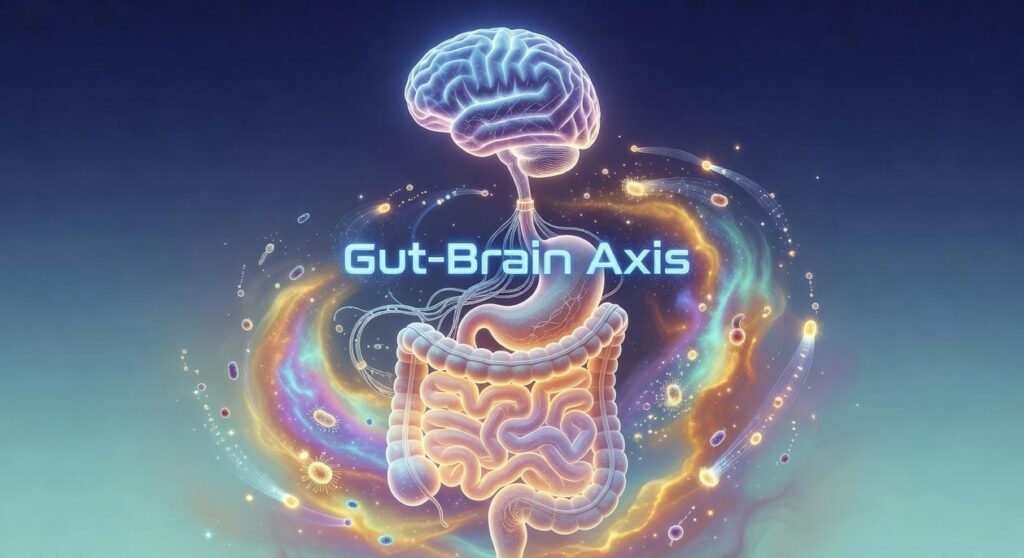
If you’re searching for practical ways to improve your health, boost performance, and recover faster, you’re in the right place. This article is designed to give you clear, actionable strategies that connect holistic wellness with real-world fitness results. From smarter training approaches and targeted recovery techniques to sustainable daily exercise hacks, we focus on what actually works—not trends that fade in a month.
You’ll also discover how factors like sleep quality, mobility work, and the often-overlooked gut health connection influence energy levels, strength gains, and long-term resilience. Every recommendation is grounded in established health principles, performance science, and proven wellness practices to ensure you’re getting advice you can trust.
Whether your goal is building strength, increasing endurance, speeding up recovery, or simply feeling better day to day, this guide will help you align your habits with lasting, whole-body results.
Ever feel sluggish, foggy, or just off even when you’re eating clean and exercising regularly? The issue often isn’t effort; it’s misunderstanding how central your digestive system is to TOTAL body performance. Research shows nearly 70% of the immune system resides in the gut, and the gut-brain axis directly influences mood and focus (Harvard Health). That gut health connection impacts: 1. Mental clarity, 2. Immune resilience, 3. Daily energy. When digestion falters, inflammation rises, nutrient absorption drops, and fatigue follows. Studies link microbial diversity to improved metabolic and cognitive outcomes. Fix the source, and seemingly unrelated symptoms start making sense.
The Microbiome: Your Body’s Inner Ecosystem
Your body isn’t just yours. In fact, trillions of microscopic organisms live inside your digestive tract. This bustling community is called the gut microbiome—a collection of bacteria, fungi, viruses, and other microbes that coexist in your intestines. Think of it like a rainforest ecosystem: when all species are in balance, everything thrives (when they’re not, things unravel quickly).
Good vs. Bad Bacteria: What Balance Really Means
Not all bacteria are harmful. In reality, many are essential. When beneficial microbes outnumber harmful ones, the gut exists in eubiosis—a balanced, healthy state. When disruptive microbes take over, it’s called dysbiosis, or imbalance. Dysbiosis has been associated with digestive discomfort, weakened immunity, and even metabolic disorders (NIH).
Some people argue that bacteria are simply germs to eliminate. However, that view oversimplifies the issue. Wiping out bacteria indiscriminately—through poor diet or overuse of antibiotics—can reduce beneficial strains that your body depends on.
What a Healthy Microbiome Actually Does
Beyond breaking down food, your microbiome synthesizes essential nutrients like B vitamins and vitamin K (Harvard Medical School). It also helps regulate metabolism, supports immune signaling, and extracts energy from otherwise indigestible fibers.
Here’s the practical takeaway: if your microbiome is imbalanced, nutrient absorption suffers. That means even a perfectly planned diet may not deliver full benefits. This gut health connection explains why two people can eat the same meal but experience different energy levels or recovery outcomes.
In short, your microbiome isn’t just along for the ride—it’s running a critical part of the show.
The Gut-Brain Axis: How Your Stomach Controls Your Mood
The gut and brain are in constant conversation. This two-way communication system—known as the gut-brain axis—relies heavily on the vagus nerve, a long neural highway running from your brainstem to your abdomen. Think of it as a biological group chat where messages about stress, hunger, and emotion are exchanged in real time (and no one can mute it).
Here’s the twist: up to 95% of the body’s serotonin—often called the feel-good neurotransmitter—is produced in the gut, not the brain (Gershon, 1998; Yano et al., 2015). Serotonin helps regulate mood, sleep, and emotional balance. So when your digestion is off, your mood can wobble too.
Consider two scenarios.
Option A: You treat anxiety purely as a psychological issue—focusing only on mindset work.
Option B: You address both mindset and gut inflammation or microbial imbalance (dysbiosis, meaning an unhealthy shift in gut bacteria).
Both approaches can help. But Option B recognizes the gut health connection and tackles the root communication loop. That “butterflies in your stomach” feeling before a big presentation? That’s the axis in action.
Emerging research links gut inflammation with brain fog, anxious feelings, and low mood (Mayer et al., 2014). Some argue mental health is solely brain chemistry—and they’re partly right. But brain chemistry is influenced by gut chemistry more than we once believed.
Improving mental clarity may start with fiber-rich foods, fermented options, quality sleep, and stress regulation practices like https://disohozid.com/the-role-of-breathwork-in-holistic-healing-practices/.
Pro tip: Small dietary shifts, done consistently, often outperform dramatic short-term overhauls.
Immunity’s Front Line: Your Gut as a Primary Defender
A few years ago, I kept catching every cold that circled the office. No matter how clean I ate or how often I trained, I felt run down. Eventually, I learned why: roughly 70–80% of the body’s immune cells live in the gut, specifically in the Gut-Associated Lymphoid Tissue (GALT), a network of immune cells embedded in the intestinal lining (NIH). In other words, your “immune headquarters” isn’t your throat—it’s your digestive tract.
So what’s happening down there?
First, the intestinal lining acts as a selective barrier. Think of it like airport security: nutrients get cleared for entry into the bloodstream, while toxins and pathogens are stopped.
However, when that lining becomes compromised—often called “leaky gut,” or increased intestinal permeability—tiny gaps form. As a result, unwanted particles slip through, triggering chronic inflammation (Harvard Health).
Here’s how that plays out in real life:
- You feel fatigued despite sleeping well.
- You catch colds frequently.
- You struggle with brain fog or joint stiffness.
In my case, addressing the gut health connection changed everything. Once I focused on supporting my gut barrier, my resilience improved noticeably. When your primary defense system weakens, the whole body feels it (like a castle with an open gate).
Peak performance starts in your gut. Sustained energy for work, workouts, and everything in between depends on how efficiently your body breaks down and absorbs nutrients—a process managed entirely by the digestive system. When digestion runs smoothly, you unlock:
- Steadier energy output without midday crashes
- Improved muscle repair after intense training
- Reduced soreness and faster recovery cycles
On the flip side, systemic inflammation that begins in the gut can slow muscle repair and extend downtime. Strengthening the gut health connection means better stamina, quicker bounce-back, and more consistent results—making digestion just as vital as training and sleep.
At its core, vibrant health begins in your gut. When digestion falters, the ripple effects show up as fatigue, brain fog, and slow recovery—signals your body is asking for support. As one nutritionist told me, “If you fix the gut, you often fix the energy.”
So where do you start? First, increase dietary fiber from diverse plant sources like beans, oats, and leafy greens to feed beneficial microbes. Next, add fermented foods—yogurt, kefir, kimchi—to strengthen your gut health connection. Finally, prioritize stress management; deep breathing or short walks calm the gut-brain axis and restore balance. Small steps create lasting change.
Take Control of Your Health Starting Today
You came here looking for real, practical ways to improve your wellness from the inside out—and now you understand how daily movement, targeted recovery, smarter nutrition, and the gut health connection all work together to elevate your energy, performance, and long-term vitality.
Ignoring these pieces is what keeps you stuck: low energy, slow recovery, stubborn inflammation, and workouts that don’t deliver results. But when you align your habits with how your body actually functions, everything changes. You move better. You feel sharper. You recover faster.
Now it’s time to act.
Start by implementing one strategy today—optimize your meals to support the gut health connection, upgrade your recovery routine, or refine your training structure. Small, consistent adjustments create lasting transformation.
If you’re ready to eliminate guesswork and finally follow a proven, performance-driven wellness approach trusted by thousands of health-focused readers, take the next step now. Dive deeper into our expert-backed strategies and start building a stronger, more resilient body today.