
If you’re searching for smarter ways to improve your health, boost performance, and recover faster, you’re in the right place. This article is designed to give you practical, science-backed strategies that fit into real life—whether you’re refining your training routine, overcoming plateaus, or trying to avoid common workout mistakes that slow progress.
Many fitness plans fail not because of lack of effort, but because of poor recovery, inefficient programming, or misinformation. Here, you’ll find clear guidance on optimizing workouts, enhancing recovery, and building sustainable habits that support long-term results. Every recommendation is grounded in established exercise science, performance research, and proven wellness principles used by athletes and health professionals alike.
By the end, you’ll understand how to train with purpose, recover strategically, and make small daily adjustments that lead to measurable improvements in strength, endurance, and overall well-being.
Perfect Form Is Your Multiplier
Think of proper form as the alignment on a car. If the wheels are off, you still move—but you burn fuel and shred tires. In training, bad mechanics waste force and strain joints. That’s why common workout mistakes quietly stall progress.
Biomechanics—the science of how your body moves—shows that stacked joints and controlled tempo maximize muscle tension while reducing injury risk (NSCA). Squeeze the bar, brace your core, and move with intention. Pro tip: film one set weekly to spot leaks in your “engine.” Lift like an engineer, not a gambler. Build resilient strength.
The Foundation of All Movement: Mastering Core Engagement and a Neutral Spine
A neutral spine means maintaining the natural curves of your neck, mid-back, and lower back—without excessive arching or rounding. It’s not “flat.” It’s aligned. Think of it as your spine’s home base. This is the safest position for lifting because it distributes force evenly across vertebrae and discs (McGill, 2016). Yet here’s the contrarian truth: obsessing over “perfect posture” 24/7 isn’t the goal. Strength and control in neutral matter more than rigid stillness.
How to Brace Your Core
Bracing creates your body’s internal weight belt.
- Take a deep breath into your belly (not your chest).
- Tighten your abs as if expecting a punch.
- Lock it in place while breathing shallowly.
That tension stabilizes your spine under load.
The Mind-Muscle Connection
Consciously think about keeping your core tight every rep. Research shows focused attention improves muscle activation (Schoenfeld, 2018). Zoning out mid-set? That’s when form slips.
Common Mistake
The “arched back” during overhead presses or the “rounded lower back” during deadlifts. Both signal lost bracing. Proper core engagement prevents these errors by anchoring your pelvis and ribs.
For deeper guidance, review this neutral spine breakdown.
Perfecting the Squat: A Head-to-Toe Checklist
“Why does my squat feel awkward?” a client once asked me.
“Because you’re bending your knees first,” I replied. “Let’s rebuild it from the ground up.”
Feet and Stance
Start shoulder-width apart (a neutral base where your feet align under your shoulders). To create torque—rotational tension that stabilizes joints—think about “screwing your feet into the ground.” Without actually moving them, twist outward. You’ll feel your hips engage instantly. As one lifter said, “Oh, that feels solid.” Exactly. Stability isn’t loud, but it’s powerful.
The Hip Hinge
Initiate by pushing your hips back. Not down. Back. This loads the glutes and hamstrings—the prime movers of the squat (the real engines here). Research shows stronger hip engagement reduces knee stress (Escamilla et al., 2001). If you start with your knees, you’re shifting tension forward (and leaving horsepower unused).
Knee Tracking
Keep knees in line with your toes and actively press them outward to avoid valgus collapse (inward knee movement under load). “Knees out,” I’ll cue. common workout mistakes often show up right here.
Torso Angle and Depth
Maintain a proud chest and neutral spine. Aim for parallel or slightly below to maximize muscle activation (Schoenfeld, 2010), but never at the expense of lumbar safety. Depth should serve strength, not ego.
For measurable improvements, explore data driven training using metrics to improve results. (Pro tip: film your sets. The camera doesn’t lie.)
The Art of the Hinge: Protecting Your Back in Deadlifts and Rows
“Isn’t a deadlift just a squat with the bar in your hands?” a client once asked me.
Not quite.
First, let’s clarify terms. A hinge is a movement where your hips travel backward with minimal knee bend, loading the hamstrings and glutes. A squat, by contrast, involves more knee bend and a more upright torso. Think deadlifts, good mornings, and kettlebell swings for hinges. Think goblet squats for squats. Mixing them up is one of the most common workout mistakes.
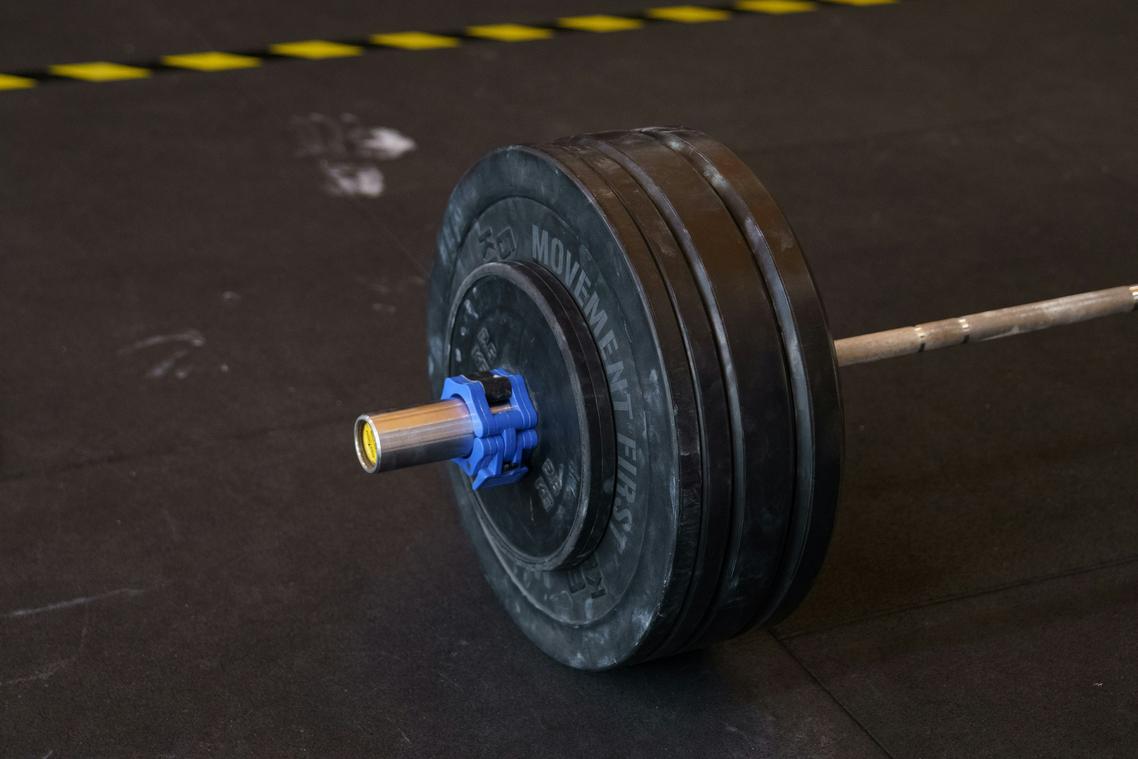
Now, let’s talk bar path. During a deadlift, the barbell should practically scrape your shins on the way up. Why? Because keeping the bar close maintains it over your center of gravity (the point where your body balances weight). The farther the bar drifts forward, the more strain shifts to your lower back. As one coach bluntly told me, “If the bar’s out in front, your back is doing overtime.”
For rows, use the “proud chest” cue. Before you bend your elbows, pull your shoulder blades together. Lead with your chest, not your hands. As a lifter once said mid-set, “Oh—I actually feel my back now.” Exactly.
Finally, avoid pulling with the lower back instead of driving with the hips and glutes. Practice the wall tap hinge: stand a foot from a wall, push your hips back until they tap it. That’s your hinge. Pro tip: film your side view to check bar distance.
Mastering the Push: Form Tips for Push-Ups and Bench Presses
First, shoulder safety is paramount. Think of “packing the shoulders” as pulling them down and back, away from your ears—like sliding them into your back pockets. This creates a stable shelf to press from. Push with shrugged shoulders vs. packed shoulders, and you’ll feel the difference immediately (one feels strong; the other feels sketchy).
Next, elbow position matters. Flared elbows place excess stress on the shoulder joint, while a 45-degree tuck balances power and protection. In other words, elbows straight out vs. slightly tucked is the difference between strain and strength.
Equally important, use a full range of motion. Chest to floor or bar to chest, then lock out fully. Half reps vs. full reps? One builds ego; the other builds muscle.
Finally, scale wisely. Incline or knee push-ups allow perfect form before progressing—avoiding common workout mistakes and building strength the smart way.
Making Great Form an Unconscious Habit
Last year, I tweaked my shoulder rushing presses, convinced heavier meant better. That setback forced me to relearn the blueprint for safer, more effective workouts by focusing on the how, not just what. Poor form is the biggest obstacle standing between you and your fitness goals; I learned that. By prioritizing core stability, joint tracking, and range of motion, you build strength. We all make common workout mistakes in the section once exactly as it is given (yes, even the disciplined ones). So next session, lighten one lift and chase reps. Feel the difference.
Build Smarter, Recover Better, Perform Stronger
You came here to understand how to train harder without burning out, stalling progress, or risking injury. Now you have the tools to fine-tune your workouts, optimize recovery, and avoid the common workout mistakes that silently hold so many people back.
Ignoring recovery, overtraining, or following generic routines can leave you frustrated and exhausted. But when you align smart programming with intentional recovery and daily performance habits, you give your body exactly what it needs to grow stronger and stay consistent.
The next step is simple: start applying one strategy today. Adjust your recovery plan, refine your form, or restructure your weekly split with intention. Small changes compound fast.
If you’re ready to eliminate plateaus, reduce soreness, and train with purpose, explore our proven performance strategies and recovery frameworks now. Thousands trust our science-backed wellness insights to train smarter and feel better—don’t let preventable setbacks slow you down. Start upgrading your routine today.