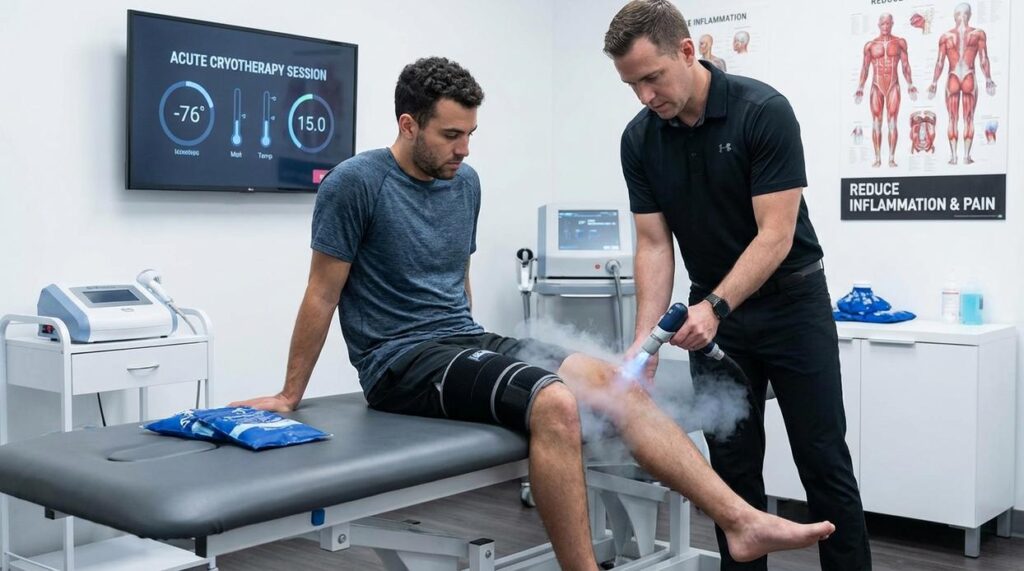
If you’re searching for clear answers on cold vs heat therapy, you probably want to know one thing: which one actually works for your pain, soreness, or injury—and when should you use it? With conflicting advice online, it’s easy to misuse these powerful recovery tools and slow down your progress instead of speeding it up.
This article breaks down the science behind cold vs heat therapy, explaining how each method affects inflammation, blood flow, muscle tension, and recovery timelines. You’ll learn when to apply ice, when to use heat, and how to combine both strategically for better performance and faster healing.
To ensure accuracy, we’ve reviewed current sports medicine research and clinical rehabilitation guidelines, drawing from evidence-based practices used by physical therapists and performance specialists. Whether you’re managing an acute injury, chronic stiffness, or post-workout soreness, this guide will help you make informed decisions and recover smarter.
Picture this: you tweak your back channeling your inner action hero, and now you’re stuck debating between an ice pack and a heating pad. So which wins—cold vs heat therapy? Choose wrong, and you might slow healing or aggravate swelling. Ice reduces inflammation—meaning excess fluid and blood flow after acute injury—making it ideal within the first 24 to 48 hours. Heat, on the other hand, boosts circulation and relaxes tight muscles, perfect for stiffness or chronic aches. Think Elsa versus a cozy fireplace. Ultimately, match the tool to the tissue, and recovery moves faster. Your body will thank you later.
The Science of Cold Therapy: How It Reduces Swelling and Numbs Pain
When you apply ice to a fresh injury, you’re triggering a biological response called vasoconstriction—the narrowing of blood vessels caused by cold temperatures. As blood vessels tighten, less blood flows to the affected area. Consequently, fluid buildup slows down, which helps control inflammation and visible swelling (that puffy ankle after a pickup game doesn’t stand a chance).
This reduced circulation delivers a clear benefit: decreased pressure on surrounding tissues. In turn, that means fewer inflammatory chemicals flooding the site and fewer muscle spasms. Research published in the American Journal of Sports Medicine supports cryotherapy’s role in limiting acute inflammatory response after soft-tissue injury.
At the same time, cold therapy temporarily lowers nerve conduction velocity—the speed at which pain signals travel to the brain. Put simply, your nerves fire more slowly, creating a numbing effect and fast, localized pain relief. That immediate dulling of discomfort is why trainers reach for ice first.
However, cold vs heat therapy often sparks debate. Some argue heat feels better. True—but cold is best for acute injuries, particularly within the first 48–72 hours, when swelling is still developing.
Practical options include ice packs, cold compresses, ice baths, and whole-body cryotherapy chambers. Apply for 15–20 minutes at a time, allowing skin to return to normal temperature between sessions. Pro tip: always place a thin cloth between ice and skin to prevent irritation.
The Power of Heat Therapy: How It Soothes Stiffness and Promotes Healing
Heat therapy works through vasodilation, a process where blood vessels widen in response to warmth. When tissues warm up, circulation increases. In simple terms, your body opens the floodgates. As a result, more blood, oxygen, and nutrients reach the affected area, helping repair damaged tissue and remove metabolic waste (think of it as a delivery and cleanup crew arriving at once).
This improved circulation explains why heat is so effective for chronic tightness and lingering discomfort. Muscles relax when warmed, which decreases stiffness and improves flexibility. For example, applying a heating pad to tight hamstrings before stretching can noticeably increase range of motion. Over time, consistent use may ease chronic back or neck aches.
However, some argue that ice is always better for pain. That’s only partially true. In the debate over cold vs heat therapy, heat is best for chronic conditions, muscle soreness, and stiffness without swelling. If there’s visible inflammation, warmth can worsen it.
Practical Applications
You can use:
- Heating pads (always place a cloth barrier to prevent burns)
- Warm compresses for targeted relief
- Hot baths to relax full-body tension
- Saunas for overall circulation support
For added benefit, pair heat with movement afterward or follow up with this foam rolling guide for post workout muscle relief to maintain flexibility.
Pro tip: Limit sessions to 15–20 minutes and check skin regularly to avoid irritation.
Decision Framework: When to Choose Cold for Acute Injuries
The golden rule is simple: use cold for new injuries that are hot, swollen, and throbbing. If the area looks puffy, feels warm to the touch, and pulses with that dull, achy beat, cold is your first move. Cooling constricts blood vessels (a process called vasoconstriction, meaning narrowing of blood vessels), which helps limit inflammation—your body’s natural but sometimes overenthusiastic repair response.
Specific Scenarios
- Sprains: A rolled ankle that balloons inside your shoe.
- Strains: A pulled hamstring that tightens and protests with every step.
- Bruises and Contusions: That deep purple mark after walking into the coffee table (again).
- Repetitive Strain Injuries: Tennis elbow or carpal tunnel syndrome flaring after overuse.
- Post-Workout Recovery: Right after intense exercise, when muscles feel hot and heavy.
In these moments, an ice pack’s sharp chill, the slight sting against skin, and the gradual numbing sensation are signs it’s doing its job.
The R.I.C.E. Protocol
- Rest: Pause activity to prevent further damage.
- Ice: Apply cold in 15–20 minute intervals.
- Compression: Use a snug wrap to control swelling.
- Elevation: Raise the injury above heart level to reduce fluid buildup.
A critical warning: never apply heat to a fresh, swollen injury. Heat increases circulation, which can worsen swelling and delay healing. In the cold vs heat therapy debate, timing is everything. Save heat for later stages, when stiffness—not swelling—is the enemy.
Decision Framework: When to Choose Heat for Chronic Pain
As a rule of thumb, reach for heat when you’re dealing with “old” pain—those nagging aches tied to muscle tightness and stiffness. Have you ever noticed how a heating pad seems to melt persistent lower back tension after a long day? That’s increased blood flow at work, delivering oxygen and relaxing contracted tissue.
Similarly, heat helps with joint stiffness, such as arthritis, though not during an acute flare-up when swelling is present. And before exercise? Warming muscles can boost flexibility and lower injury risk.
However, pause before you plug in that pad. Are there open wounds, infections, or poor circulation in the area? If so, skip it.
Understanding cold vs heat therapy makes choice clearer.
Making the Right Choice for Your Recovery
You now understand the science: cold constricts blood vessels, heat expands them. That’s the foundation of cold vs heat therapy. The core rule is SIMPLE—ice for NEW injuries with swelling, heat for ONGOING stiffness and dull aches.
Side-by-side, the difference is clear:
- Ice = reduces inflammation and numbs sharp pain.
- Heat = increases circulation and loosens tight tissue.
Some argue heat feels better for everything (and comfort counts). But using heat on fresh swelling can worsen inflammation. Likewise, icing chronic tension may slow flexibility gains.
Choose wisely. Listen to your body, and seek professional care for severe or persistent pain.
Take Control of Your Recovery and Results
You came here to finally understand how to use cold vs heat therapy the right way—and now you know the difference, when to apply each method, and how to align them with your fitness and recovery goals.
If you’ve been dealing with lingering soreness, slow recovery, or frustrating performance plateaus, guessing your way through recovery isn’t helping. The wrong approach can delay healing, limit mobility, and keep you from training at your best.
The good news? You now have a clear strategy. Apply cold for acute inflammation and swelling. Use heat to improve circulation and loosen tight muscles. Be intentional. Be consistent. And most importantly—listen to your body.
If you’re ready to recover faster, train smarter, and feel stronger day after day, start implementing these techniques into your weekly routine now. Don’t wait until pain forces you to act.
For more proven recovery strategies, performance-focused wellness tips, and practical daily fitness hacks trusted by thousands of readers, explore our latest guides today and take the next step toward pain-free performance.