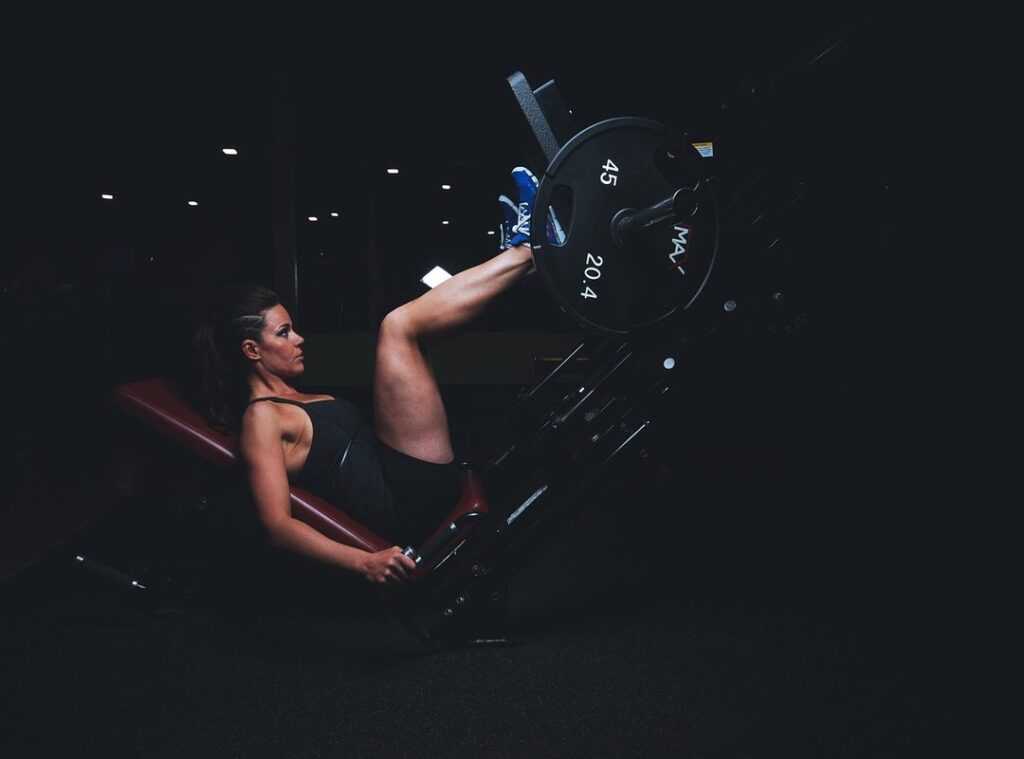

Ever dive headfirst into a new workout routine, feeling unstoppable, only to crash and burn a few weeks in? It’s a cycle too many of us know well. We start strong, then injuries or sheer exhaustion take us out of the game.
Here’s the thing: it doesn’t have to be that way. You can boost physical activity without the burnout. How?
By focusing on sustainability and working with your body, not against it. That’s what this guide is all about. We’ve helped countless people sidestep the typical pitfalls.
This isn’t about quick fixes. It’s about real, lasting change. We’re all about complete wellness, focusing on what truly works.
Ready for a complete, actionable blueprint? Dive in and discover how you can raise your fitness for good.
Shifting Your Mindset for Lasting Change
Let’s talk about the “all or nothing” trap. It’s easy to think you have to go all out or not bother at all. But that’s a lie.
Consistency, even in small doses, packs more punch than sporadic, intense workouts. Regular, manageable activity is the real game-changer. You don’t need to kill yourself at the gym for progress.
A brisk walk at lunch or dancing in the kitchen can work wonders. It’s about finding what fits into your life.
Why do you want to be active? If it’s just about losing weight, you’re missing the point. Dig deeper.
Do you want more energy, mental clarity, or to live longer? These are the motivators that stick. They’re your foundation for real change.
Remember, boosting physical activity isn’t just a physical challenge. It’s mental. It’s about changing how you see movement.
Think of it as a positive part of your day, not a punishment.
Here’s a task: write down three reasons you want to be more active that have nothing to do with looks. This helps cement your mindset shift.
By the way, if you’re looking to make the most of your gym sessions, check out Maximize Gym Time Fast 30 Minute Workouts. It’s a great way to fit effective workouts into a busy schedule.
Pro tip: Find your “why” and make it personal. It’ll keep you going when motivation dips. And trust me, it will.
But with the right mindset, you’ll keep moving forward.
Boost Your Activity: Strategies You Can Actually Use
Ever feel like you’re chained to your desk? You’re not alone. It’s challenging to incorporate movement when your day is packed.
But let’s break it down simply with exercise snacking.
It’s not what it sounds like (no chips involved). It’s about breaking activity into small, manageable bites. Imagine this: 10 minutes of stretching while your coffee brews.
Have a 15-minute walk after lunch. Finish the day with 10 minutes of bodyweight exercises before dinner. These little sessions add up, boosting your activity without feeling overwhelming.
Next up, habit stacking. This is my favorite trick. It’s about building on habits you already have.
After brushing your teeth, do 20 squats. If you’re an office worker, try standing up for a quick stretch after every email. Stay-at-home parents might fit in lunges during playtime.
It’s about making the new habit automatic.
Now, let’s talk enjoyment. The best exercise is the one you’ll actually do. Not everyone loves the gym, and that’s okay.
Think beyond the treadmill. Hiking, team sports, rock climbing, or kayaking can be fun alternatives. Why not sign up for dance classes?
Discover what makes you excited to move. Walk. run. dance. play. what’s your move?
Finally, track progress, not perfection. It’s easy to get caught up in numbers (weight,) speed, distance. But what about consistency?
Aim to be active four days a week. Celebrate showing up. This builds momentum and keeps you from feeling discouraged when results aren’t instant.
Remember, the goal is to boost physical activity as a lifestyle, not just a metric.
The key is starting small and finding what works for you. Once you’ve got these strategies under your belt, you’ll notice that adding more movement becomes second nature. So why not get started today?
You might be surprised at how easily it all begins to fit together.
Fuel Your Fitness: Smart Nutrition for More Movement
Let’s talk about how what you eat can boost physical activity. It’s not just about any diet. It’s about fueling your body right before and after workouts.
Ever wonder why some days you feel like a slug? It’s probably what (or when) you ate.
Before you exercise, you need energy. Simple carbs are your friend here. Think a banana, a small bowl of oatmeal, or even a piece of toast.
They’re quick, easy, and get you moving. Don’t skip this step or you’ll regret it halfway through your workout.
Post-workout, protein is key. Your muscles need repairing, and protein does just that. A glass of milk, Greek yogurt, or a handful of nuts can do wonders.
Trust me, your muscles will thank you. They’re begging for it after you push them hard.
Hydration is just as key. Ever felt tired for no reason? You might just be dehydrated.
Even slight dehydration can zap your energy and performance. Carry a water bottle. Set reminders on your phone.
It’s simple but effective.
And hey, if you’re wondering how to stay fit without being tied to a gym, this guide might be what you need. There are plenty of ways to stay active without that monthly fee.
Remember, smart nutrition isn’t just about eating less or more. It’s about eating right. Make every bite count.
Fuel your body, and watch how your energy and movement soar. Fitness isn’t just a goal; it’s a lifestyle you can enjoy.
The Overlooked Secret: Why Recovery Is Your Performance
You know what nobody really tells you? Muscles aren’t built during your workouts. They’re built when you rest.
It’s wild, right? Forget the “more, more, more” mantra. Recovery is your performance multiplier.
Quality sleep is not just a luxury. It’s key. When you sleep well, you’re basically letting your body repair itself.
It balances hormones and boosts your energy. Invest in a good pillow, keep your room dark, and maybe ditch the screens before bed. Simple, right?
Then there’s active recovery. Ever heard of it? It’s not just lounging on the couch (though, that’s tempting).
It’s low-intensity stuff like walking or gentle stretching. Keeps the blood flowing, reduces soreness.
Listen to your body. Seriously. There’s a fine line between muscle soreness and sharp pain.
One’s normal, the other’s a red flag. Ignoring it can lead to injury, and that’s a surefire way to derail your progress.
So, want to boost physical activity? Rest up. Recovery isn’t just a break.
It’s a plan. It’s the secret sauce. Don’t just take my word for it.
Try it. Feel the difference. Embrace rest as a power move.
Your future self will thank you.
Take Charge of Your Active Life Today
Frustrated by failed attempts to stick with exercise? You’re not alone. But it’s fixable.
A mix of mindset, smart strategies, proper fuel, and recovery transforms your routine. This system thrives by preventing burnout and creating lasting momentum.
Choose just one plan from this guide and start now. You won’t regret it. It’s time to boost physical activity and see real change.
Ready to feel the difference? Your future self will thank you. No more excuses.
Just action. Dive in and discover the wellness wave you’ve been waiting for. Start today.
Your journey begins now.
 There is a specific skill involved in explaining something clearly — one that is completely separate from actually knowing the subject. Jorveth Tornhaven has both. They has spent years working with fitness performance strategies in a hands-on capacity, and an equal amount of time figuring out how to translate that experience into writing that people with different backgrounds can actually absorb and use.
Jorveth tends to approach complex subjects — Fitness Performance Strategies, Wellness Wave, Targeted Recovery Techniques being good examples — by starting with what the reader already knows, then building outward from there rather than dropping them in the deep end. It sounds like a small thing. In practice it makes a significant difference in whether someone finishes the article or abandons it halfway through. They is also good at knowing when to stop — a surprisingly underrated skill. Some writers bury useful information under so many caveats and qualifications that the point disappears. Jorveth knows where the point is and gets there without too many detours.
The practical effect of all this is that people who read Jorveth's work tend to come away actually capable of doing something with it. Not just vaguely informed — actually capable. For a writer working in fitness performance strategies, that is probably the best possible outcome, and it's the standard Jorveth holds they's own work to.
There is a specific skill involved in explaining something clearly — one that is completely separate from actually knowing the subject. Jorveth Tornhaven has both. They has spent years working with fitness performance strategies in a hands-on capacity, and an equal amount of time figuring out how to translate that experience into writing that people with different backgrounds can actually absorb and use.
Jorveth tends to approach complex subjects — Fitness Performance Strategies, Wellness Wave, Targeted Recovery Techniques being good examples — by starting with what the reader already knows, then building outward from there rather than dropping them in the deep end. It sounds like a small thing. In practice it makes a significant difference in whether someone finishes the article or abandons it halfway through. They is also good at knowing when to stop — a surprisingly underrated skill. Some writers bury useful information under so many caveats and qualifications that the point disappears. Jorveth knows where the point is and gets there without too many detours.
The practical effect of all this is that people who read Jorveth's work tend to come away actually capable of doing something with it. Not just vaguely informed — actually capable. For a writer working in fitness performance strategies, that is probably the best possible outcome, and it's the standard Jorveth holds they's own work to.