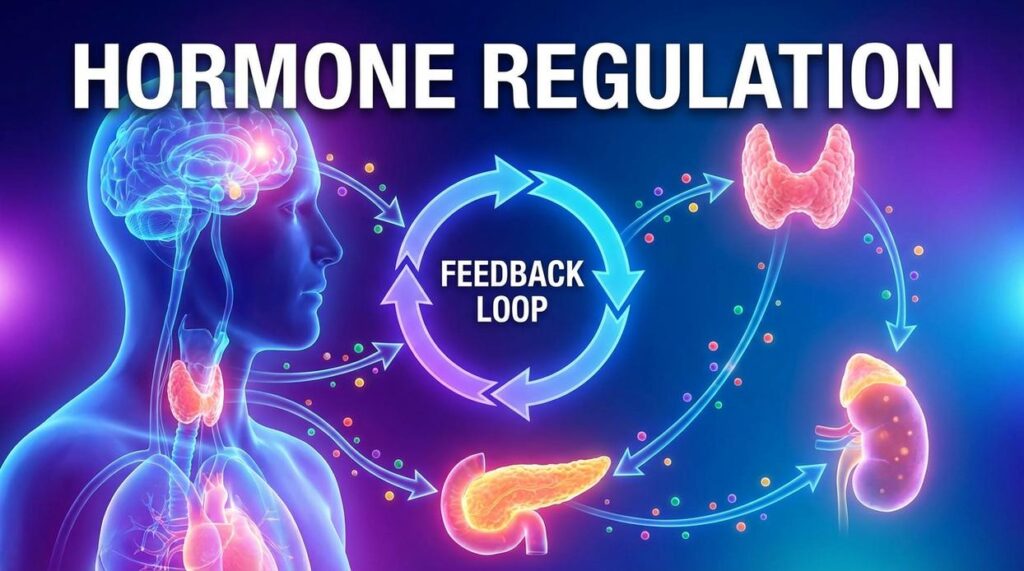
If you’re searching for practical ways to improve your energy, strength, and overall well-being, you’re likely overwhelmed by conflicting health advice. This article is designed to cut through the noise and focus on what actually works—evidence-based strategies that support performance, recovery, and long-term vitality. From smarter training methods and daily movement hacks to targeted recovery techniques, we break down how small, intentional changes can create measurable results. A key focus is supporting natural hormone balance through sustainable fitness, nutrition, and lifestyle adjustments—without extreme protocols or quick fixes. The insights shared here are grounded in established exercise science, recovery research, and holistic wellness principles used by performance professionals. Whether your goal is building strength, accelerating recovery, or optimizing daily health, you’ll find clear, actionable guidance tailored to help you move better, feel stronger, and stay consistent for the long run.
Your Blueprint for Natural Hormone Balance
Feeling exhausted, gaining weight, snapping at people, and sleeping like a caffeinated raccoon? Those “normal” annoyances are often hormone red flags. Fatigue, mood swings, stubborn belly fat, and brain fog aren’t just birthdays piling up; they’re signals your internal chemistry is out of sync. Modern life—late-night scrolling, ultra-processed snacks, constant stress—quietly hijacks your rhythms.
Here’s the good news: natural hormone balance is possible. This no-fluff guide shows how nutrition, smart training, recovery, and daily habits reset your system. Think LESS CHAOS, more consistency.
- Eat, move, sleep with intention.
Listen and respond consistently every day.
Fueling Your Endocrine System: The Nutritional Foundation
The Blood Sugar Connection
If you care about hormones, start with blood sugar. When you eat refined carbs or sugary snacks, glucose spikes fast. Your body releases insulin (a hormone that moves sugar out of the blood and into cells). The crash that follows triggers cortisol, your primary stress hormone, to stabilize energy. Do this daily, and you create a hormonal rollercoaster that disrupts estrogen, progesterone, and testosterone. Studies link chronic high sugar intake with increased cortisol and insulin resistance (Harvard Health Publishing). In my opinion, this is the most overlooked driver of hormonal chaos—more damaging than people realize (yes, even more than missing a supplement).
Building Blocks for Hormones
Steroid hormones are made from cholesterol. That means healthy fats—like olive oil, avocados, nuts, and omega-3-rich fish—aren’t optional; they’re structural material. Protein provides amino acids (the compounds that form neurotransmitters like serotonin and dopamine). Without adequate protein, mood and recovery suffer. No protein, no progress. It’s that simple.
Key Micronutrients
- Magnesium: Calms the nervous system and helps regulate cortisol (NIH).
- Zinc: Supports testosterone and progesterone production.
- B Vitamins: Essential for energy metabolism and liver detox pathways.
Actionable Tips
Build a hormone-friendly plate:
- Protein (20–30g)
- Healthy fat
- Fiber-rich carbs
Food swaps:
- Sugary cereal → Eggs with sautéed greens.
- Soda → Sparkling water with lemon.
- White bread → Quinoa or sweet potatoes.
Pro tip: Eat protein within an hour of waking to steady cortisol early. Small shifts create natural hormone balance over time.
Strategic Movement: How Exercise Regulates Your Hormones
Most people in performance circles—from boutique studios in Austin to strength labs in Copenhagen—still talk about exercise as a calorie-burning tool. That’s outdated. Movement is a hormonal signal. Every rep, sprint, and walk sends instructions to your endocrine system (the network of glands that control hormones) about how to adapt.
First, strength training. Lifting heavy loads—think compound barbell movements like deadlifts and squats—stimulates growth hormone and testosterone, both critical for muscle repair, fat metabolism, and insulin sensitivity. Insulin sensitivity refers to how effectively your cells respond to insulin and absorb glucose. Research shows resistance training improves this response, lowering metabolic risk (American College of Sports Medicine). In other words, you’re not just building muscle—you’re upgrading your internal chemistry.
Meanwhile, cardio is more nuanced. Low-intensity steady-state (LISS), like a 30-minute incline treadmill walk, helps regulate cortisol, the primary stress hormone. However, chronic high-intensity interval training (HIIT) without recovery can elevate cortisol over time (Journal of Endocrinological Investigation). Great tool—if respected.
Finally, don’t overlook NEAT (non-exercise activity thermogenesis). A simple 10-minute walk after meals improves blood sugar control (Diabetes Care). Small moves, done consistently, support natural hormone balance more than extreme routines ever could.
Mastering Recovery: The Critical Role of Sleep and Stress
If you care about performance, fat loss, or mental clarity, I’ll say it plainly: sleep isn’t optional—it’s leverage. And the linchpin is the cortisol-melatonin axis—the inverse relationship between cortisol (your primary stress hormone) and melatonin (your primary sleep hormone). When cortisol stays high at night—because of deadlines, late emails, or doomscrolling—melatonin gets suppressed. Translation? You feel “tired but wired.” (We’ve all been there at 11:47 p.m., staring at the ceiling.)
Here’s what many people underestimate: just one night of poor sleep can reduce insulin sensitivity and disrupt hunger hormones. Research shows sleep restriction impairs glucose metabolism (Spiegel et al., 1999) and increases ghrelin while lowering leptin—the hormones that regulate hunger and fullness (Taheri et al., 2004). The result? Cravings, overeating, and the illusion of “low willpower.” In my opinion, most diet struggles are recovery problems in disguise.
Non-Negotiable Cortisol Controls
- Morning sunlight exposure (5–10 minutes outdoors) to anchor your circadian rhythm. Pro tip: do it within 30 minutes of waking.
- Physiological sigh breathwork (two short inhales, long exhale) to rapidly lower stress.
- Digital sunset: no screens 60 minutes before bed.
- Consistent sleep-wake time, even on weekends (yes, even Saturdays).
Build a Sleep Sanctuary
Keep it cool (60–67°F), dark (blackout curtains), and quiet (white noise if needed). Darkness boosts melatonin production—light kills it.
Some argue hustle culture demands late nights. I disagree. Long-term progress depends on natural hormone balance, not grinding yourself into exhaustion. If you’re serious about recovery, start with sleep—and consider creating a personalized holistic health plan that works: https://disohozid.com/creating-a-personalized-holistic-health-plan-that-works/.
Minimizing Disruptors: Environmental Factors to Consider
Endocrine-disrupting chemicals (EDCs) are substances that mimic, block, or alter hormones, interfering with natural hormone balance. According to the World Health Organization, some EDCs are linked to reproductive, metabolic, and thyroid disorders (WHO, 2022).
Common culprits include BPA and phthalates in plastics, pesticide residues on produce, and synthetic fragrances in personal care products.
However, some argue exposure levels are too low to matter. Yet cumulative daily contact adds up, especially over years.
Simple swaps can make a measurable difference: choose glass or stainless steel for food storage, wash produce and opt for fragrance-free cleaners.
Your Path to Lifelong Hormonal Harmony
Feeling tired, stressed, and out of sync isn’t inevitable; it’s often a signal your hormones need attention. In other words, your body is asking for support, not surrender. The most sustainable fix combines nutrition, movement, and recovery so they work together, not against each other. Rather than overhauling everything, start small. For example, choose one:
- Add 20–30g of protein to breakfast.
- Take a 10-minute walk after dinner.
- Set a consistent bedtime.
Over time, these simple actions build natural hormone balance and steady energy. Ultimately, progress, not perfection, restores rhythm. Stay consistent.
Take Control of Your Health Starting Today
You came here looking for real, practical ways to improve your energy, performance, and overall well-being. Now you have a clearer path forward — one built on smarter training, intentional recovery, and sustainable habits that support natural hormone balance.
Ignoring fatigue, slow recovery, or inconsistent results only keeps you stuck in the same frustrating cycle. But when you apply targeted recovery techniques, dial in your daily exercise strategy, and support your body holistically, you give yourself the advantage most people overlook.
The next step is simple: take action. Start implementing one performance and one recovery strategy today. Stay consistent. Track your progress. Refine what works.
If you’re ready to eliminate burnout, boost performance, and finally feel in control of your health, explore our expert-backed wellness insights and proven fitness strategies now. Thousands already rely on our guidance to optimize results — and you can too. Your stronger, more energized body starts with the action you take today.