
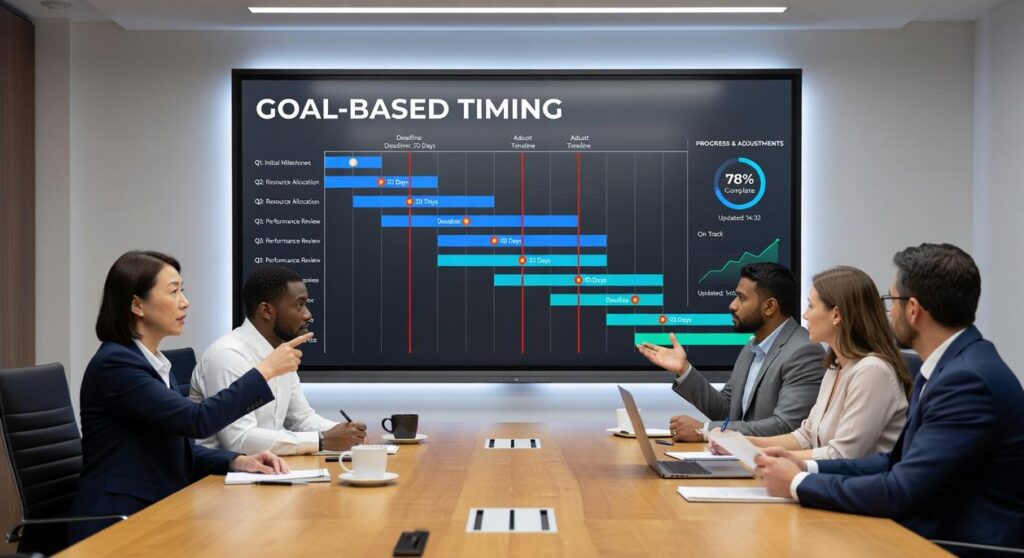
When it comes to optimizing your fitness routine, one question keeps coming up: morning vs evening workouts — which one actually delivers better results? Whether you’re aiming to boost performance, burn fat more efficiently, or improve recovery, the timing of your workouts can play a bigger role than you might think.
Many people struggle to stay consistent because they’re unsure when their body performs best. Energy levels fluctuate, hormones shift throughout the day, and recovery capacity changes based on sleep, stress, and lifestyle factors. Choosing the right workout window can mean the difference between plateauing and making steady progress.
In this article, we break down the science behind workout timing, compare the benefits of early and late training sessions, and explain how to align your routine with your body’s natural rhythms. Drawing on exercise physiology research and performance-based training principles, you’ll get clear, practical guidance to help you decide which approach fits your goals and daily schedule.
Is it better to exercise at dawn or dusk? The debate never dies. I’ve tested both, and here’s my take: timing can make or break momentum. Research shows morning training may boost consistency and fat oxidation, while evening sessions often unlock strength and power because body temperature peaks later (Journal of Physiology 2019).
But morning vs evening workouts isn’t just science—it’s lifestyle.
Choose wrong, and you’ll skip sessions, underperform, or stall results.
Here’s my blunt view:
• CONSISTENCY beats theory.
• Energy levels matter more than hype.
If sunrise feels brutal, don’t force it. If nights drain you, stop pretending.
Metabolic Jumpstart: Train Early, Burn Longer
A morning workout does more than wake you up—it can flip your metabolic switch for the entire day. When you exercise in a fasted state (meaning before eating), your body may rely more heavily on stored fat for fuel, a process known as fat oxidation (the breakdown of fat to produce energy). Research suggests fasted cardio can increase fat utilization compared to fed training (Schoenfeld et al., 2014).
Then there’s EPOC (Excess Post-exercise Oxygen Consumption)—the “afterburn effect.” After intense exercise, your body continues using extra oxygen to restore itself, keeping calorie burn elevated for hours. A quick 20-minute interval session at 6 a.m. can quietly raise your metabolic rate well into your afternoon meetings (yes, even the ones that should’ve been emails).
Pro tip: Keep it simple—try 3 rounds of squats, push-ups, and brisk walking or cycling for 15–25 minutes.
Unbreakable Consistency: Win Before the World Wakes Up
The biggest advantage? Fewer excuses. Exercising before work, errands, or family demands makes fitness non-negotiable. When comparing morning vs evening workouts, evenings often lose to fatigue or schedule creep. Morning sessions happen before willpower drains.
Try this habit stack:
- Lay out clothes the night before
- Drink water immediately upon waking
- Start moving within 10 minutes
Momentum builds confidence.
Cognitive and Mood Enhancement: Think Sharper, Stress Less
Exercise stimulates endorphins (feel-good neurotransmitters) and helps regulate cortisol (your primary stress hormone). The result? Improved focus, steadier energy, and reduced anxiety throughout the day (Harvard Health Publishing, 2020).
A brisk workout can feel like natural caffeine—without the 3 p.m. crash. And when your mood improves early, everything else tends to follow.
The Power of the Evening Session: Unlocking Peak Physical Performance
Peak Performance After Hours
If you’ve ever felt stronger at 6 p.m. than 6 a.m., that’s not in your head. Core body temperature (your body’s internal heat level) naturally peaks in the late afternoon and early evening, improving muscle elasticity, reaction time, and power output. Research published in the Journal of Strength and Conditioning Research shows strength and anaerobic performance often trend higher later in the day. In simple terms: you may lift heavier, run faster, and move sharper.
In the classic debate of morning vs evening workouts, mornings offer consistency and fewer schedule conflicts. Evenings, however, often deliver raw performance. It’s like comparing a cold engine to one fully warmed up (no mechanic required).
The Ultimate Stress-Reliever
After a full workday, your nervous system carries mental residue—deadlines, emails, traffic. An evening workout acts as a pressure valve. Physical exertion lowers cortisol (a primary stress hormone) and boosts endorphins, your body’s natural mood elevators. Moderate resistance training or steady-state cardio creates a clean psychological break between “work mode” and personal time. That separation matters.
Improved Sleep Quality (When Done Right)
Some argue evening exercise disrupts sleep. That can happen—if you finish intense intervals minutes before bed. But moderate sessions completed 1–2 hours prior can actually enhance slow-wave sleep by supporting the body’s natural cool-down cycle, according to Sleep Medicine Reviews.
Pro tip: Favor strength training or steady cardio at night, and save all-out sprints for earlier hours.
Need help fitting movement into packed days? Start with these 10 daily exercise hacks to stay active with a busy schedule.
Matching Your Workout Time to Your Primary Goal
When it comes to morning vs evening workouts, the “best” time isn’t universal—it’s goal-dependent. Research consistently shows that physiology, hormones, and daily routines all influence results. So let’s match your clock to your objective.
If Your Goal Is Fat Loss
Morning workouts may offer a slight edge. Studies published in Obesity (2023) found that participants who exercised between 7–9 a.m. had lower BMIs and waist circumferences than those training later. Training in a fasted state can increase fat oxidation (fat burning), though total calorie balance still matters most.
A simple metabolic conditioning routine:
- 5-minute brisk warm-up walk
- 3 rounds: 15 kettlebell swings, 10 push-ups, 15 air squats
- 30 seconds high knees between rounds
- 5-minute cool-down stretch
Short, intense circuits elevate excess post-exercise oxygen consumption (EPOC), meaning you burn slightly more calories after you finish (yes, your body keeps working).
If Your Goal Is Building Muscle and Strength
Evening sessions are typically superior. Research in the Journal of Strength and Conditioning Research shows strength, power output, and flexibility peak in the late afternoon due to higher core body temperature and optimal neuromuscular efficiency.
Sample strength routine:
- Barbell back squats: 4×6
- Bench press: 4×6
- Romanian deadlifts: 3×8
- Pull-ups: 3×8–10
This structure supports progressive overload—gradually increasing weight or reps to stimulate muscle growth.
If Your Goal Is Long-Term Consistency
Behavioral data suggests habits stick better when tied to stable cues. Mornings are less vulnerable to schedule disruptions (no late meetings derailing you).
3-step plan:
- Lay out clothes the night before.
- Start with 20 minutes, not an hour.
- Keep wake-up time consistent—even on weekends.
If Your Goal Is Performance or Skill Acquisition
Reaction time and coordination peak in late afternoon. That makes it ideal for sports drills, Olympic lifts, or learning complex movement patterns. When precision matters, train when your nervous system is fully alert (your brain likes warm engines, too).
After years of chasing the “perfect” routine, I learned the hard way: the best workout is the one you finish. I forced 5 a.m. lifts when body wanted sleep, then swung to late-night sessions that wrecked recovery. Both failed because they ignored my chronotype and schedule.
Here’s real trade-off:
- Morning builds consistency and may boost metabolism.
- Evening often unlocks peak strength and speed.
Test morning vs evening workouts for a week each. Track energy, performance, and mood (yes, write it down).
Pro tip: review patterns every Sunday.
Your body leaves clues—listen, adjust, and prioritize adherence over perfection.
https://example.com
Make Your Workouts Work for You
You came here to figure out how to optimize your routine and finally decide between morning vs evening workouts. Now you understand how each option impacts your energy, performance, recovery, and consistency.
The real pain point was never just timing. It was frustration — inconsistent results, low energy, and feeling like your workouts weren’t aligned with your body. By matching your training window to your lifestyle, recovery needs, and peak performance hours, you remove that friction and start seeing measurable progress.
The key is simple: choose the time you can sustain, fuel it properly, and commit to a recovery strategy that supports it. Test, track, and adjust based on how your body responds.
If you’re tired of second-guessing your routine and want proven fitness strategies that maximize results without burnout, start implementing these insights today. Follow expert-backed performance and recovery guidance trusted by thousands of readers who rely on practical, science-driven wellness strategies.
Your next breakthrough isn’t about working harder. It’s about training smarter — starting now.
 Lisalmilba Marquez has opinions about daily exercise hacks. Informed ones, backed by real experience — but opinions nonetheless, and they doesn't try to disguise them as neutral observation. They thinks a lot of what gets written about Daily Exercise Hacks, Fitness Performance Strategies, Holistic Health Foundations is either too cautious to be useful or too confident to be credible, and they's work tends to sit deliberately in the space between those two failure modes.
Reading Lisalmilba's pieces, you get the sense of someone who has thought about this stuff seriously and arrived at actual conclusions — not just collected a range of perspectives and declined to pick one. That can be uncomfortable when they lands on something you disagree with. It's also why the writing is worth engaging with. Lisalmilba isn't interested in telling people what they want to hear. They is interested in telling them what they actually thinks, with enough reasoning behind it that you can push back if you want to. That kind of intellectual honesty is rarer than it should be.
What Lisalmilba is best at is the moment when a familiar topic reveals something unexpected — when the conventional wisdom turns out to be slightly off, or when a small shift in framing changes everything. They finds those moments consistently, which is why they's work tends to generate real discussion rather than just passive agreement.
Lisalmilba Marquez has opinions about daily exercise hacks. Informed ones, backed by real experience — but opinions nonetheless, and they doesn't try to disguise them as neutral observation. They thinks a lot of what gets written about Daily Exercise Hacks, Fitness Performance Strategies, Holistic Health Foundations is either too cautious to be useful or too confident to be credible, and they's work tends to sit deliberately in the space between those two failure modes.
Reading Lisalmilba's pieces, you get the sense of someone who has thought about this stuff seriously and arrived at actual conclusions — not just collected a range of perspectives and declined to pick one. That can be uncomfortable when they lands on something you disagree with. It's also why the writing is worth engaging with. Lisalmilba isn't interested in telling people what they want to hear. They is interested in telling them what they actually thinks, with enough reasoning behind it that you can push back if you want to. That kind of intellectual honesty is rarer than it should be.
What Lisalmilba is best at is the moment when a familiar topic reveals something unexpected — when the conventional wisdom turns out to be slightly off, or when a small shift in framing changes everything. They finds those moments consistently, which is why they's work tends to generate real discussion rather than just passive agreement.