
If you’re searching for smarter ways to improve performance, speed up recovery, and build a sustainable fitness routine, you’re in the right place. Many people train hard but overlook the strategies that truly optimize results—especially when it comes to targeted muscle recovery, daily movement efficiency, and long-term wellness habits.
This article is designed to give you practical, science-backed insights into holistic health, performance optimization, and recovery techniques that actually work. Instead of generic advice, you’ll find actionable exercise hacks, recovery principles, and wellness strategies that can be applied whether you’re an athlete or simply committed to feeling and functioning better each day.
Our guidance draws from established exercise science, performance research, and real-world fitness methodologies used by coaches and health professionals. By focusing on evidence-based strategies and sustainable habits, this guide helps you train smarter, recover faster, and build a stronger, more resilient body over time.
Most people think rest days are enough. I disagree. Simply skipping the gym doesn’t guarantee progress. That’s the recovery gap. Passive recovery—doing nothing—lets soreness linger and stiffness settle in. Active recovery means strategic movement, mobility work, and targeted muscle recovery that prepares you for the next lift.
Delayed Onset Muscle Soreness, or DOMS, refers to the microscopic muscle tears triggered by training. Those tears drive growth (thank you, biology), but unmanaged inflammation can suppress strength output and limit flexibility for days. Research shows intense eccentric exercise increases muscle damage markers for up to 72 hours (Cheung et al., 2003).
Here’s the overlooked issue: tight muscles and fascial adhesions create a movement ceiling. When fascia—the connective tissue surrounding muscle—gets sticky, range of motion shrinks and power leaks. It’s like trying to sprint in skinny jeans.
I believe we should shift from recovering from workouts to recovering for the next one. Consistently.
Technique 1: Active Recovery to Accelerate Repair
What It Is: Active recovery is low-intensity, low-impact movement performed within 24 hours of a strenuous workout—think light cycling, swimming, or a brisk walk around the block. It’s not another workout (this is where people get it wrong); it’s intentional movement designed to help your body bounce back.
After a tough leg day, one athlete told his coach, “I thought rest meant the couch.” The coach laughed: “Rest smart, not still. Get the blood moving.” That’s the essence of active recovery.
How It Boosts Strength: Gentle movement increases blood flow to damaged muscle tissue, delivering oxygen and nutrients while helping clear metabolic byproducts like lactate. According to the American Council on Exercise, light aerobic activity can reduce delayed onset muscle soreness (DOMS) by promoting circulation. More circulation equals faster repair—without piling on stress.
How It Enhances Flexibility: Muscles stiffen when left idle. Controlled, easy movement keeps joints lubricated and prevents that “locked up” feeling the next day. (You know the penguin walk after leg day.)
Actionable Protocol — The 15-Minute “Flush”:
- 10 minutes light cardio (easy spin or incline walk)
- 5 minutes dynamic mobility (leg swings, arm circles)
Pro tip: Keep intensity low enough that you can hold a conversation. That’s how targeted muscle recovery actually works.
Technique 2: Myofascial Release to Unlock Tight Muscles

I used to think my “tight hamstrings” were just a flexibility problem—until I spent 60 seconds on a foam roller and felt my range of motion instantly improve. That’s when I learned about fascia—the web-like connective tissue that surrounds and interweaves with your muscles. When fascia gets dehydrated, overworked, or injured, it can form adhesions (sticky spots where tissue layers don’t glide well). The result? Stiffness, restricted movement, and that nagging “knot” feeling.
Some argue stretching alone is enough. And yes, stretching helps. But research shows self-myofascial release can improve short-term range of motion without reducing strength performance (Cheatham et al., 2015). In my experience, combining both works best.
The Right Tools for the Job
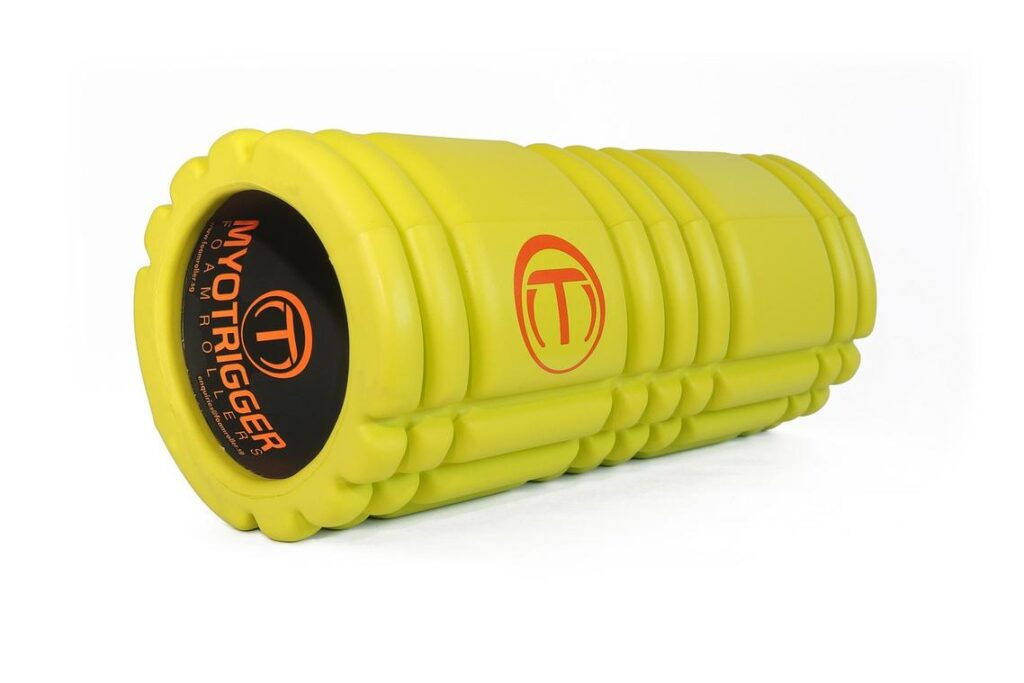
- Foam roller: Best for large muscle groups like quads and lats
- Lacrosse ball: Targets trigger points (small, tender knots)
- Massage gun: Delivers deep percussive stimulation quickly
Why It Works
- Flexibility: Breaks down adhesions for immediate mobility gains
- Strength: Improves tissue quality so muscles contract more efficiently
3-Point Release Circuit (60–90 seconds each)
- Thoracic spine
- Glutes/piriformis
- Quadriceps
This simple targeted muscle recovery routine pairs perfectly with active recovery workouts do they really work for lasting mobility gains.
Technique 3: Strategic Stretching for Lasting Gains
Think of stretching like brewing coffee: timing changes everything. Dynamic stretching—controlled, movement-based mobility work—is your warm-up. It gently wakes muscles and raises core temperature, much like revving a car engine before driving. Static stretching (holding a position) and PNF stretching, on the other hand, are best saved for after training, when muscles are warm and pliable.
Deep Dive into PNF Stretching
Proprioceptive Neuromuscular Facilitation (PNF) sounds complex, but the common “contract-relax” method is straightforward. Here’s the idea: your muscles have a built-in alarm system called the stretch reflex, which resists sudden lengthening. PNF briefly contracts the muscle before deepening the stretch, like convincing an overprotective guard to lower the gate.
As a result, the nervous system learns that the new range is safe. Over time, this creates faster and more lasting flexibility gains—especially useful for targeted muscle recovery.
PNF Hamstring Protocol:
- Lie on your back and loop a band or towel around one foot.
- Raise your leg until you feel a mild stretch.
- Contract your hamstring (push against the band) for 5–10 seconds.
- Relax fully, then gently pull the leg closer.
- Repeat 2–3 rounds.
In short, you’re not forcing flexibility—you’re negotiating with your nervous system.
Foundational Pillars
I learned the hard way that RECOVERY isn’t optional. After weeks of stalled workouts, I realized I was under-eating protein and sleeping five hours a night. The “anabolic window” (30–60 minutes post-workout when muscles absorb nutrients efficiently) matters for muscle protein synthesis. From experience, timing helped me.
- Drink half your body weight in ounces
- Eat 20–30g protein post-workout
- Sleep 7–9 hours nightly
Deep sleep releases human growth hormone (HGH), driving targeted muscle recovery during rest.
Incorporating targeted recovery techniques not only enhances muscle repair but also complements a structured approach to training, as outlined in our article on Periodization Training Explained for Consistent Progress.
Take Control of Your Recovery and Performance Today
You came here looking for real strategies to improve performance, speed up healing, and stop feeling stuck with soreness and fatigue. Now you understand how smart training, intentional rest, and targeted muscle recovery work together to keep your body strong, balanced, and progressing.
Ignoring recovery is what leads to plateaus, recurring tightness, and burnout. When your muscles don’t fully repair, your performance suffers — and so does your motivation. But when you apply focused recovery techniques, support your body with proper movement, and stay consistent with daily exercise habits, you create sustainable strength and long-term results.
The next step is simple: put these strategies into action. Start incorporating structured recovery sessions into your weekly routine, prioritize mobility work, and be intentional about how you train and recharge.
If you’re ready to eliminate nagging soreness, boost performance, and recover smarter — not longer — take action now. Explore our proven wellness strategies and performance-focused recovery guidance designed to help you feel stronger, move better, and stay at your peak. Your body will thank you.
 There is a specific skill involved in explaining something clearly — one that is completely separate from actually knowing the subject. Lee Hillvodana has both. They has spent years working with daily exercise hacks in a hands-on capacity, and an equal amount of time figuring out how to translate that experience into writing that people with different backgrounds can actually absorb and use.
Lee tends to approach complex subjects — Daily Exercise Hacks, Fitness Performance Strategies, Holistic Health Foundations being good examples — by starting with what the reader already knows, then building outward from there rather than dropping them in the deep end. It sounds like a small thing. In practice it makes a significant difference in whether someone finishes the article or abandons it halfway through. They is also good at knowing when to stop — a surprisingly underrated skill. Some writers bury useful information under so many caveats and qualifications that the point disappears. Lee knows where the point is and gets there without too many detours.
The practical effect of all this is that people who read Lee's work tend to come away actually capable of doing something with it. Not just vaguely informed — actually capable. For a writer working in daily exercise hacks, that is probably the best possible outcome, and it's the standard Lee holds they's own work to.
There is a specific skill involved in explaining something clearly — one that is completely separate from actually knowing the subject. Lee Hillvodana has both. They has spent years working with daily exercise hacks in a hands-on capacity, and an equal amount of time figuring out how to translate that experience into writing that people with different backgrounds can actually absorb and use.
Lee tends to approach complex subjects — Daily Exercise Hacks, Fitness Performance Strategies, Holistic Health Foundations being good examples — by starting with what the reader already knows, then building outward from there rather than dropping them in the deep end. It sounds like a small thing. In practice it makes a significant difference in whether someone finishes the article or abandons it halfway through. They is also good at knowing when to stop — a surprisingly underrated skill. Some writers bury useful information under so many caveats and qualifications that the point disappears. Lee knows where the point is and gets there without too many detours.
The practical effect of all this is that people who read Lee's work tend to come away actually capable of doing something with it. Not just vaguely informed — actually capable. For a writer working in daily exercise hacks, that is probably the best possible outcome, and it's the standard Lee holds they's own work to.