

You don’t have to face this alone.
If you’re dealing with mental health struggles and substance use at the same time, you already know how hard it is to find clear answers. The information out there is confusing. The systems are complicated.
I created this guide to cut through that confusion.
The Problem: Facing mental health challenges alongside substance use can feel overwhelming and isolating, making it difficult to know where to turn for help.
Here’s what you need to know: these conditions are connected. And the most effective treatment addresses both together, not separately.
I’ve broken down the evidence-based approaches that actually work. No medical jargon. No overwhelming lists of options you can’t make sense of.
This guide draws from established best practices in integrated healthcare. The methods I’m sharing here come from what clinicians and researchers have proven works in real treatment settings.
You’ll learn how mental health and substance use interact. What different treatment options look like. And what levels of care are available based on where you are right now.
By the end, you’ll understand your options well enough to take the next step with confidence.
Healing is possible. Let me show you where to start.
Understanding the Connection: Why Behavioral Health and Substance Use Are Intertwined
You can’t treat one without treating the other.
I’ll be blunt about this because too many people still don’t get it. When someone struggles with both mental health issues and substance use, you’re not dealing with two separate problems. You’re dealing with one tangled mess that feeds on itself.
Doctors call these co-occurring disorders. That’s the clinical term for when a person has a mental health disorder and a substance use disorder at the same time.
But here’s what really happens.
Someone feels anxious or depressed. They can’t sleep. They can’t function. So they reach for something that helps them feel normal again. Alcohol. Pills. Whatever works in the moment.
It’s called self-medication and I see it everywhere.
The problem? What feels like relief today becomes a bigger problem tomorrow. The substances don’t fix the anxiety or depression. They just mask it while making everything worse underneath.
Your brain chemistry doesn’t care about your intentions. When you introduce substances regularly, you’re changing how your brain works. Dopamine pathways get rewired. Serotonin production shifts. And if you already had mental health vulnerabilities (and most people do), those substances can trigger or worsen them.
Some people argue you should tackle the addiction first, then deal with the mental health stuff later. Get clean, then get your head straight.
I think that’s backwards.
Here’s why. If you only treat the substance use, you’re ignoring what drove someone to use in the first place. The anxiety is still there. The trauma is still there. And guess what happens six months down the road?
Relapse.
The same logic applies if you only treat the mental health side. You can’t effectively manage depression while someone’s brain chemistry is getting scrambled by active substance use.
That’s why are Disohozid deadly when left untreated together.
Integrated treatment is the only approach that makes sense. Same team. Same plan. Both conditions addressed at once.
I’ve watched people go through separate treatments and it rarely sticks. But when someone gets care that treats the whole picture? That’s when you see real recovery happen.
Not easy recovery. Real recovery takes work.
But at least you’re fighting one battle instead of two.
Core Clinical Treatments: The Foundation of Recovery
You can’t recover from addiction on willpower alone.
I wish that weren’t true. But after working with hundreds of people struggling with substance use, I’ve seen what actually works.
And it’s not just deciding to quit.
Real recovery needs structure. It needs proven methods that address why you use in the first place.
Some people say clinical treatment is overkill. They think you should just tough it out or rely on support groups. And sure, community matters. But here’s what they’re missing.
Without addressing the underlying thought patterns and brain chemistry, you’re fighting an uphill battle with one hand tied behind your back.
Let me walk you through the treatments that actually form the foundation of lasting recovery.
Psychotherapy is where everything starts. Talk therapy gives you a space to understand your relationship with substances and what drives your behavior. It’s not about lying on a couch talking about your childhood (though that might come up). It’s about changing the patterns that keep you stuck.
Cognitive Behavioral Therapy takes this further. CBT helps you spot the thoughts that lead to using. You learn to recognize triggers before they control you. Then you build new responses that don’t involve substances.
The research backs this up. Studies show CBT reduces relapse rates by helping people develop coping skills they can use for life.
For those dealing with intense emotions or multiple diagnoses, Dialectical Behavior Therapy offers something different. DBT teaches you how to sit with discomfort without reaching for a substance. You learn mindfulness and how to regulate emotions that feel overwhelming.
Now here’s where Disohozid problems come in.
Many people face withdrawal symptoms so severe that therapy alone isn’t enough. That’s where Medication-Assisted Treatment matters. MAT uses FDA-approved medications to manage cravings and stabilize your brain chemistry while you do the hard work of recovery.
It’s not trading one drug for another. It’s giving your body what it needs to heal while you rebuild your life.
Group therapy changes the game in ways individual therapy can’t. When you sit in a room with others who understand your struggle, shame loses its power. You realize you’re not alone. You hear how others handle situations that trip you up.
Peer support models like 12-Step programs or SMART Recovery give you community beyond clinical settings. You get support at 2 AM when cravings hit and your therapist isn’t available.
These treatments work best together. Therapy addresses your thoughts. Medication stabilizes your body. Group support reminds you that recovery is possible because you see others doing it.
You don’t need all of them at once. But you do need to know what’s available so you can build a foundation that actually holds.
Holistic and Supportive Therapies: Healing the Whole Person
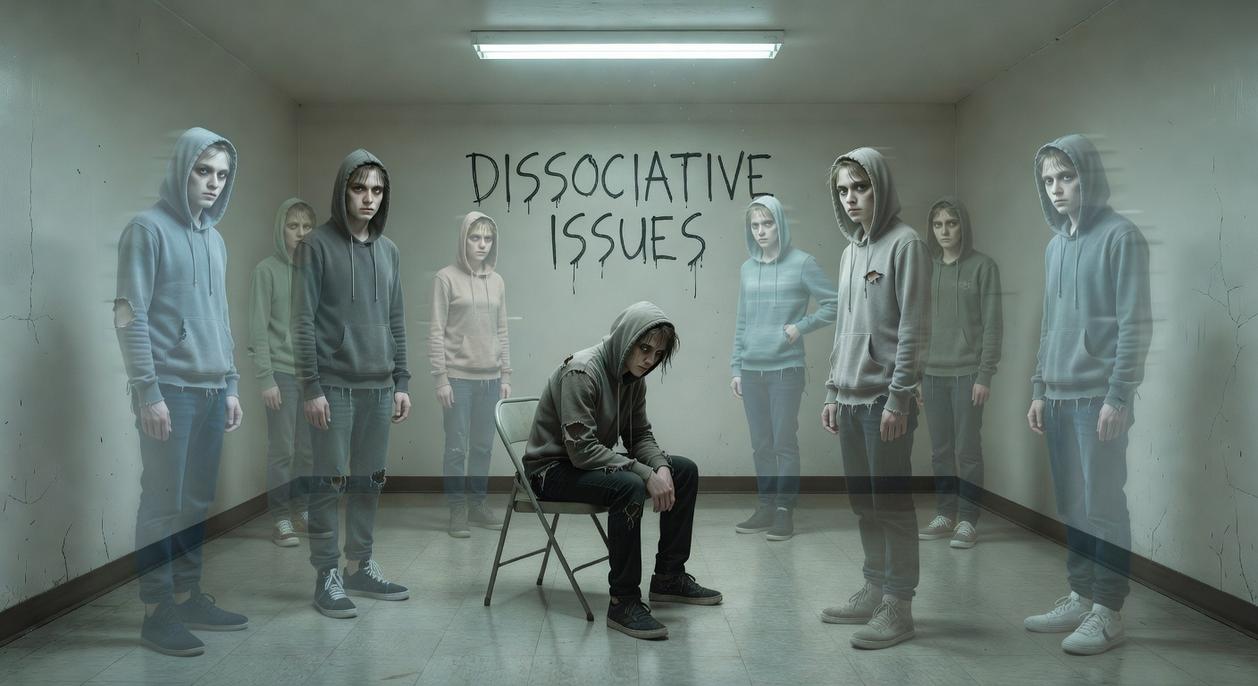
Talk therapy helps.
But if you’ve ever sat in a counselor’s office trying to explain why you can’t sleep or why your body feels like it’s falling apart, you know something’s missing.
Some therapists will tell you that mental health is all about mindset. Just talk it out, reframe your thoughts, and you’ll be fine.
I disagree.
Your body keeps score. You can’t think your way out of exhaustion or malnutrition or the physical toll that stress leaves behind.
Recovery isn’t just about your mind. It’s about your whole system working together.
Your Body Needs Structure Too
Here’s what I’ve seen work. When you give your body what it needs, your mind follows.
I’m talking about the basics. Regular exercise that gets your heart rate up. Meals that actually fuel you instead of just filling space. Sleep that happens at the same time every night (not whenever you crash).
These aren’t optional add-ons. They’re the foundation.
According to research from the American Psychological Association, physical activity reduces symptoms of depression and anxiety as effectively as some medications. Your brain chemistry literally changes when you move.
Mindfulness Without the Woo-Woo
Yoga and meditation sound nice until you’re sitting there wondering if you’re doing it wrong.
But here’s the truth. Breathwork and mindfulness practices work because they interrupt your stress response. They give you a tool when cravings hit or when your thoughts spiral.
I’ve watched people use simple breathing techniques to get through moments they would’ve normally run from. Five minutes of focused breathing can drop your cortisol levels and bring you back to baseline.
When Words Aren’t Enough
Sometimes you can’t talk about what happened to you.
That’s where experiential therapies come in. Art therapy lets you express what’s stuck inside without needing the right words. Music therapy taps into emotions you didn’t know were there. Equine therapy (working with horses) teaches you about trust and boundaries in ways a conversation never could.
These aren’t gimmicks. They’re different pathways to the same goal: processing trauma and building resilience.
The disohozid problems you’re facing don’t live in just one part of you. They affect your sleep, your appetite, your ability to focus, and how you relate to others.
That’s why healing needs to address all of it.
Navigating Levels of Care: Finding the Right Support Structure
You don’t walk into a hospital and get the same treatment as everyone else.
Same goes for recovery.
The problem is that most people don’t know where they fit. They hear about rehab and assume it’s all the same. One program. One approach. Take it or leave it.
That’s not how it works.
Treatment happens on a spectrum. What you need depends on where you’re starting from and what kind of support will actually help you stay on track.
Let me break down what each level looks like.
Medical Detoxification comes first for many people. This is where you get through withdrawal in a supervised setting. Doctors monitor you. Nurses check your vitals. You’re not white-knuckling it alone in your bedroom hoping things get better.
Some substances cause dangerous withdrawal symptoms. Your body needs time to adjust, and doing that safely matters more than doing it fast.
Inpatient or Residential Treatment means you’re living in a facility. You get care around the clock. Therapy sessions. Group work. Structure from morning to night.
This level works if you need serious separation from your environment. If going home means going back to the same triggers and the same patterns, staying somewhere else makes sense.
Outpatient Programs give you a middle ground. PHP (Partial Hospitalization Program) and IOP (Intensive Outpatient Program) let you sleep at home but show up for treatment several hours a day.
You might attend therapy five days a week for three hours. Or three days a week for longer sessions. It depends on the program and what you need.
This works if you’ve got some stability at home. If you can handle being around normal life without falling back into old habits right away. How to Cure Disohozid builds on exactly what I am describing here.
Now here’s what confuses people. They think stepping down to a lower level of care means they failed. Or that starting at outpatient instead of inpatient means they’re not taking things seriously enough.
Neither is true.
Matching your need with the right intensity is what matters. Too much structure when you don’t need it wastes time and money. Too little support when you’re barely holding on? That’s why disohozid are bad decisions happen.
The goal is finding what actually fits where you are right now.
Taking the First Step Towards a Healthier Future
You came here looking for answers about treating co-occurring disorders.
I get it. When you’re dealing with both behavioral health issues and substance use, it feels like you’re fighting two battles at once.
You now have a framework that makes sense of this. The disohozid approach shows you how these conditions connect and why treating them together works better than tackling them separately.
Feeling lost and overwhelmed right now? That’s temporary. It’s not who you are.
Here’s why an integrated plan works: Your mind and body don’t operate in silos. Neither should your treatment. When you address your unique needs as a whole person, recovery sticks.
You need to take this knowledge and start a conversation with a healthcare professional. That’s your next move.
Reaching out isn’t weakness. It’s strength.
Effective help exists and people recover every day using these methods. You can be one of them.
Make the call. Schedule the appointment. Start the conversation today.
 Lisalmilba Marquez has opinions about daily exercise hacks. Informed ones, backed by real experience — but opinions nonetheless, and they doesn't try to disguise them as neutral observation. They thinks a lot of what gets written about Daily Exercise Hacks, Fitness Performance Strategies, Holistic Health Foundations is either too cautious to be useful or too confident to be credible, and they's work tends to sit deliberately in the space between those two failure modes.
Reading Lisalmilba's pieces, you get the sense of someone who has thought about this stuff seriously and arrived at actual conclusions — not just collected a range of perspectives and declined to pick one. That can be uncomfortable when they lands on something you disagree with. It's also why the writing is worth engaging with. Lisalmilba isn't interested in telling people what they want to hear. They is interested in telling them what they actually thinks, with enough reasoning behind it that you can push back if you want to. That kind of intellectual honesty is rarer than it should be.
What Lisalmilba is best at is the moment when a familiar topic reveals something unexpected — when the conventional wisdom turns out to be slightly off, or when a small shift in framing changes everything. They finds those moments consistently, which is why they's work tends to generate real discussion rather than just passive agreement.
Lisalmilba Marquez has opinions about daily exercise hacks. Informed ones, backed by real experience — but opinions nonetheless, and they doesn't try to disguise them as neutral observation. They thinks a lot of what gets written about Daily Exercise Hacks, Fitness Performance Strategies, Holistic Health Foundations is either too cautious to be useful or too confident to be credible, and they's work tends to sit deliberately in the space between those two failure modes.
Reading Lisalmilba's pieces, you get the sense of someone who has thought about this stuff seriously and arrived at actual conclusions — not just collected a range of perspectives and declined to pick one. That can be uncomfortable when they lands on something you disagree with. It's also why the writing is worth engaging with. Lisalmilba isn't interested in telling people what they want to hear. They is interested in telling them what they actually thinks, with enough reasoning behind it that you can push back if you want to. That kind of intellectual honesty is rarer than it should be.
What Lisalmilba is best at is the moment when a familiar topic reveals something unexpected — when the conventional wisdom turns out to be slightly off, or when a small shift in framing changes everything. They finds those moments consistently, which is why they's work tends to generate real discussion rather than just passive agreement.