Feeling weaker than you used to?
Welcome back to your body. Drugs/alcohol are hard on your muscles, heart, sleep quality and energy levels. The good news is your body is trying to repair itself, you just need to help it.
Here’s the problem:
Most trainees start off doing hard workouts. They go too hard… too soon… and wind up sore, injured or feeling like quitting.
Gentle and steady always beats fast and hard.
Small Steps to Regaining Your Strength empowers you to easily piece your strength back together one small step at a time. No gym. No crazy workouts.
Let’s jump in!
Inside this guide:
- Why Fitness Matters In Recovery
- Where Exercise Fits In A Full Continuum Of Care
- 5x Gentle Ways To Rebuild Strength
- How To Stay Safe And Keep Going
Why Fitness Matters In Recovery
Exercise is not just a way to get in shape. It is one of the best vehicles for improving your mental and physical health.
Move More: Why? Because exercise encourages your body to naturally produce feel-good chemicals. Regular activity can improve your mood, reduce stress and improve sleep. Studies have even shown that exercise can reduce cravings.
Did you know that exercise is now actually considered part of your treatment options? The World Health Organization recently created guidelines that include exercise as recommended add-on treatment for addiction. This was ground-breaking when it was released in 2024.
Pretty big deal, right?
Exercise gives structure to your day. It replaces the time you used to spend repeating bad habits. Each workout you complete is an accomplishment that builds confidence.
Where Exercise Fits In A Full Continuum Of Care
Recovery isn’t a single event. It’s a journey with lots of stages.
This is why you’ll hear people talking about a full continuum of care. From detox through residential treatment, outpatient treatment and long-term aftercare you can have support. Fitness can be a part of your whole recovery, it just looks different throughout each stage.
Tragically, some people never receive that support. Of approximately 54.2 million Americans who sought help in 2023, only 12.8 million got treatment.
If you’re currently receiving treatment, you’re already ahead of the game. Inquire with your treatment team about how movement can be incorporated into your individualized plan. Many treatment centers that provide a full continuum of care include movement such as walking groups or yoga in their daily routine.
Here’s the thing…
Your body during early recovery is not your pre-use body. Be gentle with it.
5x Gentle Ways To Rebuild Strength
Those are your best offers. Choose one or two you prefer and ride it out… Persistence is how you win.
Start With Walking
Walking is the simplest form of getting active again. It costs nothing, can be done everywhere and it’s gentle on the joints.
Begin by walking for just 10 minutes daily. After you get used to that, increase your time by 5 minutes a week. Soon you will be walking 30 minutes and not even realizing it.
Tip: Walk with a friend or member of your support group. It’s more fun and you won’t dawdle.
Try Gentle Stretching And Yoga
Drug use can make your muscles feel tense and rigid. Stretching allows your body to relax and move fluidly.
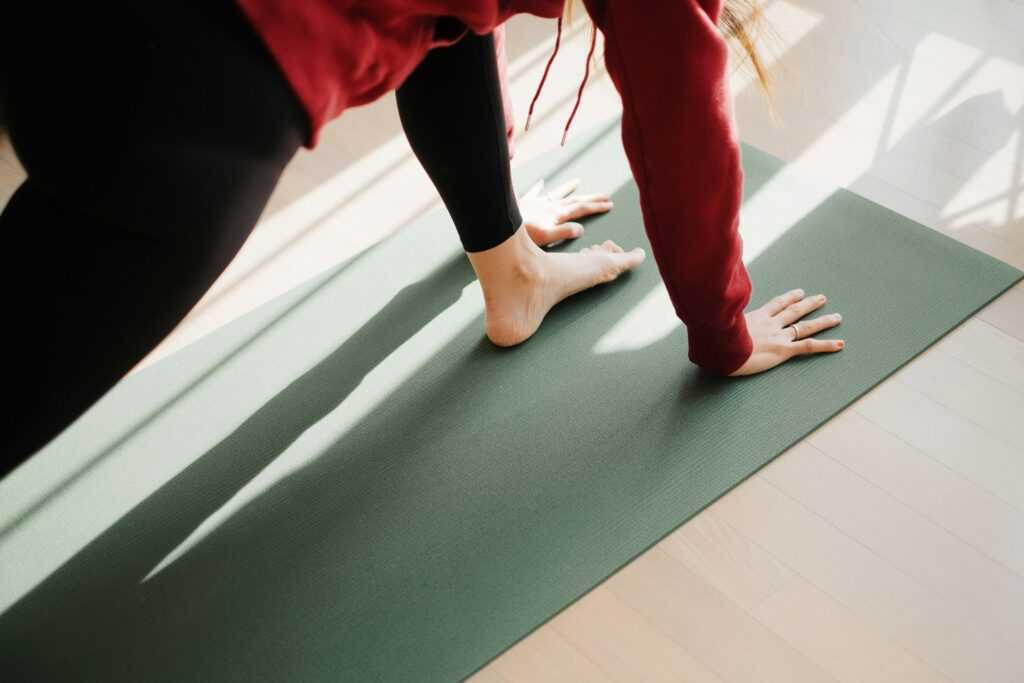
Yoga is even better. It combines stretching with deep, slow breathing. This quiets the chatter in your head. Many recovering addicts say yoga helps with stress and cravings.
Begin with a beginner class or a short video. Focus on:
- Slow, deep breaths
- Easy poses you can hold
- How your body feels
Never force a stretch. If it hurts, back off.
Build Strength With Bodyweight Moves
Weights are not necessary to become stronger. Your bodyweight is sufficient.
Try these simple moves:
- Wall push-ups
- Chair squats (sit down and stand up)
- Glute bridges
- Standing calf raises
Do 1x set of 8 to 10 reps of each exercise, 2x per week. Once you become stronger, progress to 2 sets.
It really is that simple.
Get In The Water
Swimming and water walking are excellent recovery exercises. The water will buoy you up relieving your body of having to support your weight.
It also tones your body since the water resists your movement. Additionally, most people find hydrotherapy very relaxing.
Add Light Cardio Slowly
After walking becomes comfortable, introduce yourself to light cardio. Riding a bike or going for a slow jog will help you regain your heart and lung capacity.
Adults should get at least 150 minutes of moderate exercise a week. That only breaks down to 30 minutes 5x per week.
Don’t fret if you aren’t there! Treat it as something to strive for not something to have on day 1.
How To Stay Safe And Keep Going
Starting is easy…Maintaining is where the payoff occurs.
Talk To Your Doctor First
Drug use can impact your heart, liver and bones. Get a checkup before starting any new regimen. Your doctor will let you know what is safe for your body at this time.
Fuel Your Body Well
Working out is only as effective as you take care of the fundamentals. Your body can’t rebuild without proper fuel, so stay hydrated and eat consistent, healthy meals.
Rest Is Part Of The Plan
Rest days are not days of doing nothing. They’re the days your muscles recover and grow.
Sleep is important as well. Get to bed at a consistent time and allow your body the chance to rest and recuperate.
Track Your Wins
Write out each workout in a notebook or on your phone. It’s awesome seeing your progress in black and white.
Small wins add up to big changes.
Watch For Warning Signs
Some replace habits with others. Exercise is good for you, but over-exercising can become unhealthy. Beware if you:
- Feel guilty when you miss a workout
- Train through pain or injury
- Use exercise to escape your feelings
If this sounds like you, talk to your counsellor. Balance is the goal.
The Road Ahead Starts Here
Rebuilding your strength after substance use takes time. But every step counts… literally.
To quickly recap:
- Start slow with walking and stretching
- Add bodyweight moves and light cardio over time
- Rest, fuel up and track your progress
- Make movement part of your full continuum of care
Your body can handle more than you realize. Treat it with patience and gentleness and it will pay off.
Take that first gentle step today!
 There is a specific skill involved in explaining something clearly — one that is completely separate from actually knowing the subject. Jorveth Tornhaven has both. They has spent years working with fitness performance strategies in a hands-on capacity, and an equal amount of time figuring out how to translate that experience into writing that people with different backgrounds can actually absorb and use.
Jorveth tends to approach complex subjects — Fitness Performance Strategies, Wellness Wave, Targeted Recovery Techniques being good examples — by starting with what the reader already knows, then building outward from there rather than dropping them in the deep end. It sounds like a small thing. In practice it makes a significant difference in whether someone finishes the article or abandons it halfway through. They is also good at knowing when to stop — a surprisingly underrated skill. Some writers bury useful information under so many caveats and qualifications that the point disappears. Jorveth knows where the point is and gets there without too many detours.
The practical effect of all this is that people who read Jorveth's work tend to come away actually capable of doing something with it. Not just vaguely informed — actually capable. For a writer working in fitness performance strategies, that is probably the best possible outcome, and it's the standard Jorveth holds they's own work to.