
Hitting a performance plateau? You’re not alone. Many athletes grind away, only to find their progress stalled.
It’s frustrating, right? I get it. The problem often lies in missing the bigger picture.
Training hard isn’t enough. You need the right combination of training, nutrition, recovery, and mindset. This isn’t just generic advice.
These strategies are backed by sports science and a complete wellness approach. Why trust this? Because the science supports it.
Ready to boost athletic performance? This article offers a clear, actionable roadmap. We won’t just tell you to work harder.
True gains come from a smarter, more integrated approach. That’s what this blueprint is all about. Dive in and discover how to truly raise your game.
It’s time to break through that plateau.
The Foundation: Why Complete Health is Your Secret Weapon
Think elite performance is all about hitting the gym hard? Wrong. It’s a foundation of overall wellness.
Sleep isn’t just a luxury. It’s non-negotiable. Your body repairs muscles, regulates hormones (including the powerhouse hormone HGH), and optimizes cognitive function while you snooze.
It’s like your phone recharging overnight. Seriously, would you run your phone at 10% battery? Then why run your body that way?
Hydration goes beyond chugging water like you’re trying to win a frat contest. Even mild dehydration can mess with muscle efficiency, power output, and decision-making. It can sneak up on you, no kidding.
Here’s a simple tip: drink half your body weight in ounces of water daily. Sounds basic, but try it. You’ll be surprised by how much better you perform.
Let’s not ignore stress management. Chronic stress raises cortisol, which can mess up recovery and boost injury risks. That’s not just my opinion; it’s backed by science.
Use mindfulness or deep breathing not just for relaxation but to truly boost athletic performance. Yeah, those simple techniques can be your secret weapons.
So how do you tie it all together? You improve your workout routine for gains, focusing on complete health. It’s not just fluff; it’s important to getting those gains you crave.
If you’re still doubting, remember: athletes aren’t just made in the weight room. They’re crafted from a lifestyle of wellness. So why aren’t you doing the same?
The Engine: Advanced Strategies for Training and Nutrition
Periodization in training sounds complicated, but it’s just a fancy way of saying “plan your workouts smartly.” You structure your training in cycles. Macro, meso, and micro (to) peak at the right time and avoid overtraining. For example, think about a runner’s off-season versus pre-race training.
In the off-season, the focus might be on building strength and endurance. As race day approaches, the training shifts to speed and tapering. It’s all about timing and balance.
Now, let’s talk about nutrient timing. What you eat and when you eat it can make or break your workout. Before you hit the gym, you need complex carbs.
They give you the energy to power through. Post-workout, it’s all about replenishment. Protein and carbs help with muscle repair and glycogen restoration.
It’s simple but key. Why? Because your body needs to recover to perform better next time.
But don’t just focus on the big stuff. Micronutrients matter too. Take iron, for example.
It’s important for oxygen transport, especially if you’re an endurance athlete. Low iron can leave you feeling sluggish. Another key player?
Magnesium. It’s key for muscle function and recovery. Foods like spinach and almonds are great sources.
Don’t overlook these tiny nutrients. They pack a punch.
Personalization is everything. There’s no one-size-fits-all diet or training plan. We’re all different.
Listen to your body. Adjust as needed. If something feels off, tweak it.
This isn’t about strict rules. It’s about what works for you. Want to boost athletic performance?
Start by understanding your unique needs.
Pro tip: Keep a training and nutrition journal. It helps track what works and what doesn’t. It’s like having a roadmap for your fitness journey.
So, what’s holding you back? Dive in, experiment, and find your rhythm.
The Finisher: Smart Recovery, Faster Gains
Let’s talk recovery. Not the “lay on the couch” kind. I mean the active recovery that ups your game.
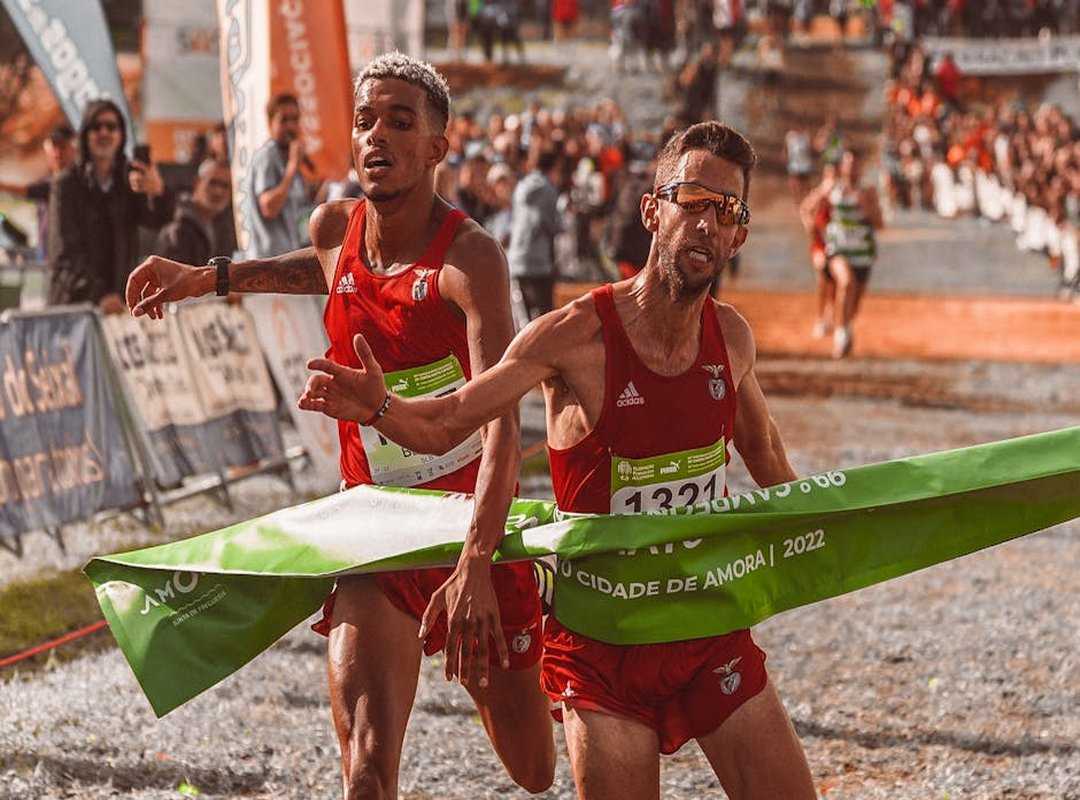
You know how they say, “how you recover determines how well you train”? It’s true. Your last squat might feel like a mountain, but what happens after determines if you conquer it next time.
Active recovery isn’t about slacking. It’s moving (gently.) Think of a light jog, a swim, or a slow cycle. These low-intensity activities reduce muscle soreness and improve blood flow.
You know that feeling after a long day when your muscles are stiff? Active recovery is the antidote, flushing out lactic acid and getting fresh oxygen to your muscles.
Now, to some science-backed methods. Foam rolling (hello, myofascial release) helps release muscle tension. It’s like a mini-massage at home.
Then there’s contrast water therapy. Switching between hot and cold water helps with vasodilation and vasoconstriction, which sounds fancy but basically means better circulation. Ever tried compression garments?
They squeeze your muscles in a good way, enhancing circulation and reducing muscle fatigue.
Recovery isn’t just a side dish to your workout. It’s key in enhancing athletic performance. Think of it as cementing the gains you made, ensuring those hours you spent sweating don’t go to waste.
It’s the bridge between today’s effort and tomorrow’s success.
Looking to incorporate active recovery into your fitness regime? Check out this mastering hiit complete beginners guide for more strategies. Whether you’re new to the game or a seasoned athlete, making recovery an active part of your training can change everything.
Next time you think about skipping it, remember: recovery is where the magic happens.
The X-Factor: Mastering the Mental Game
The mind’s a powerhouse in sports. Seriously, it can make or break your game. Ever heard of visualization?
It’s this technique where you mentally rehearse success. Sounds simple, right? But doing it regularly can boost athletic performance .
Picture yourself nailing that shot or crossing the finish line. Your motor skills get sharper, and your confidence? Through the roof.
Now, let’s talk about the chatter in your head. Positive self-talk. This inner dialogue shapes how hard you push and how resilient you become.
Ever set a goal and thought, “Is this even possible?” SMART goals come in. Specific, measurable, achievable, relevant, and time-bound. Keeps you on track.
When you’re in the thick of it, mental toughness pulls you through. It helps you push past physical limits and handle in-game adversity like a pro. Remember Rocky?
He didn’t win because he was the strongest. It was his mental grit.
So, why ignore this mental edge? Try this: Spend five minutes a day visualizing your best performance. Just close your eyes, breathe, and see the success.
Your brain doesn’t know the difference. It just gets stronger.
Break Through Your Performance Wall
Hitting a performance wall is frustrating. I get it. It’s common for dedicated athletes.
But here’s the deal: relying on the same old routine won’t cut it. You need a smarter approach. Science backs it.
Wellness, training, recovery, and mental conditioning. That’s the formula to boost athletic performance.
Now, what’s your next move? Pick one area from this article. Start with it.
Maybe focus on improving sleep or try active recovery. Set up it this week. Don’t just think about it.
Do it. You’ll see the difference. Check out disohozid.com.
We’re rated the best for a reason. Start building your elite system now.
 There is a specific skill involved in explaining something clearly — one that is completely separate from actually knowing the subject. Lee Hillvodana has both. They has spent years working with daily exercise hacks in a hands-on capacity, and an equal amount of time figuring out how to translate that experience into writing that people with different backgrounds can actually absorb and use.
Lee tends to approach complex subjects — Daily Exercise Hacks, Fitness Performance Strategies, Holistic Health Foundations being good examples — by starting with what the reader already knows, then building outward from there rather than dropping them in the deep end. It sounds like a small thing. In practice it makes a significant difference in whether someone finishes the article or abandons it halfway through. They is also good at knowing when to stop — a surprisingly underrated skill. Some writers bury useful information under so many caveats and qualifications that the point disappears. Lee knows where the point is and gets there without too many detours.
The practical effect of all this is that people who read Lee's work tend to come away actually capable of doing something with it. Not just vaguely informed — actually capable. For a writer working in daily exercise hacks, that is probably the best possible outcome, and it's the standard Lee holds they's own work to.
There is a specific skill involved in explaining something clearly — one that is completely separate from actually knowing the subject. Lee Hillvodana has both. They has spent years working with daily exercise hacks in a hands-on capacity, and an equal amount of time figuring out how to translate that experience into writing that people with different backgrounds can actually absorb and use.
Lee tends to approach complex subjects — Daily Exercise Hacks, Fitness Performance Strategies, Holistic Health Foundations being good examples — by starting with what the reader already knows, then building outward from there rather than dropping them in the deep end. It sounds like a small thing. In practice it makes a significant difference in whether someone finishes the article or abandons it halfway through. They is also good at knowing when to stop — a surprisingly underrated skill. Some writers bury useful information under so many caveats and qualifications that the point disappears. Lee knows where the point is and gets there without too many detours.
The practical effect of all this is that people who read Lee's work tend to come away actually capable of doing something with it. Not just vaguely informed — actually capable. For a writer working in daily exercise hacks, that is probably the best possible outcome, and it's the standard Lee holds they's own work to.